Cybersecurity Is Under Fire And Credit Unions Are Fighting Back (Part 1)
Bad actors don’t rest. Credit unions are beefing up cybersecurity with smarter tools, stronger teams, and sharper defenses.

Our Risk page is the top spot to learn about business continuity, compliance, enterprise risk management, fraud, and vendor management.
Bad actors don’t rest. Credit unions are beefing up cybersecurity with smarter tools, stronger teams, and sharper defenses.

From check fraud to suspicious logins, see how well you can sniff out red flags before they cost members money.
A partnership with the Institute of Gerontology at Wayne State University has helped the credit union reduce reports of elder fraud by as much as
Verve, A Credit Union is collaborating with local law enforcement to help community members better protect themselves against a variety of fraud.
Today’s larger loan balances and longer loan terms leave borrowers at risk of becoming upside down, which also increases risk for credit unions in their loan portfolios.
Advanced fraud detection gives financial institutions more power to fight fraud or even stop it before it starts.
Financial institutions have heard about the current expected credit loss accounting standard for years. It’s now time to act, and these steps will prepare your credit union for its first audit or examination.
Credit unions must invest in data to intelligently protect and serve members.
A look beyond the headlines to better understand what is driving the current market trends that could impact your credit union’s investment portfolio.
More and more credit unions are partnering with financial technology firms to provide solutions that make it easier and faster to grow their business.
The NCUA overhauled its 5300 reporting requirements in the first quarter of this year. After such a drastic data change, here’s how industry leaders can understand the updated requirements.
The phrase the more things change, the more they stay the same was coined in 1849 France, but it is applicable to cybersecurity at U.S. financial cooperatives in 2022. The methods attackers use are always changing says Richard Roark, senior vice president and chief technology officer at Bay Federal Credit Union ($1.6B, Capitola, CA). You
Major revisions to the call report take effect in the first quarter of 2022. Here’s what you need to know.

How a former Sam’s Club finance leader adapted his member-first mindset to a not-for-profit credit union.

The Michigan cooperative keeps everyday payments working and members happy by using a common friction point to build brand loyalty.

How a unique role instills SchoolsFirst FCU’s future leaders with an appreciation for its past.

Arriba Advisors co-founder Tom Russell explores how credit unions can bridge the gap between a growth mindset and their technical reality.

RKL offers insight, expertise, and experience to help fight off growing threats.

Members are anxious about their financial futures, even as credit unions remain financially strong. Institutions that respond to this moment can make 2026 a turning point.
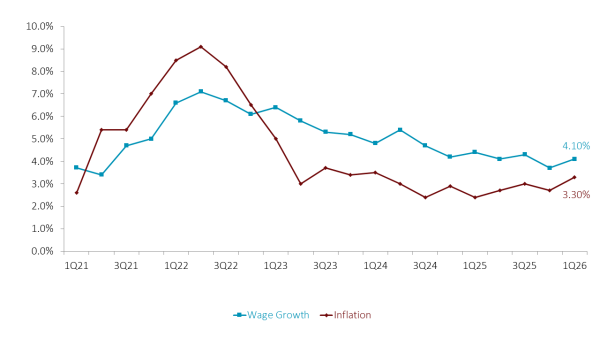
Global events are flowing directly into household budgets, reshaping how credit union members save, borrow, and cope. Such trends don’t always show up in headline data.
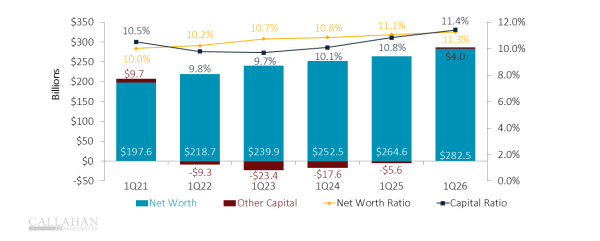
Credit unions are benefiting from a rare margin advantage as loans reprice slower than deposits. The question now is how institutions will use that strength to better serve members.
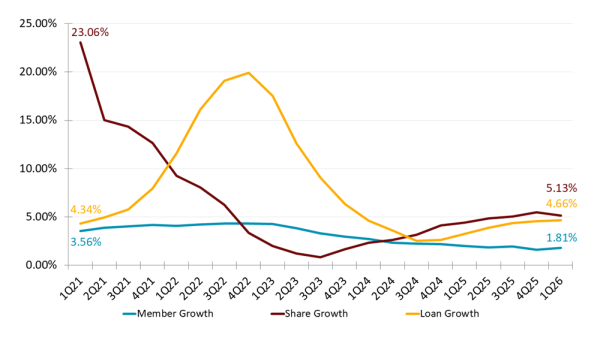
Membership growth is slowing, but financial activity is not. What does the modern financial relationship look like?
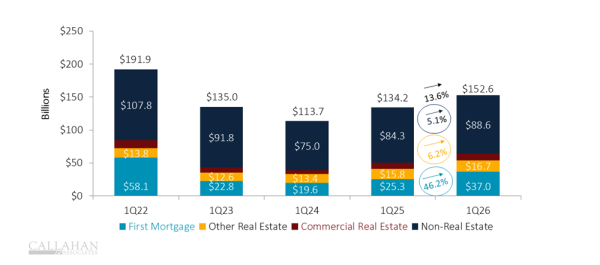
Inflation, war, and uncertain futures have reshaped members’ needs in 2026. What does credit union performance data from the first quarter of 2026 say about household budgets, inflation pressures, and more?