Cybersecurity Is Under Fire And Credit Unions Are Fighting Back (Part 1)
Bad actors don’t rest. Credit unions are beefing up cybersecurity with smarter tools, stronger teams, and sharper defenses.

Our Risk page is the top spot to learn about business continuity, compliance, enterprise risk management, fraud, and vendor management.
Bad actors don’t rest. Credit unions are beefing up cybersecurity with smarter tools, stronger teams, and sharper defenses.
From check fraud to suspicious logins, see how well you can sniff out red flags before they cost members money.
A partnership with the Institute of Gerontology at Wayne State University has helped the credit union reduce reports of elder fraud by as much as
NCUA is setting an anti-democratic precedent in its repeated efforts to keep private the legal opinions about its public regulatory authority. RBC is one example. The CUSO rule is another. Will there be more?
How did the three board members and NCUA fare during the open meeting in which the agency released the revised risk-based capital proposal?
A condensed review of the changes NCUA made to its proposed risk-based capital rule and the primary takeaways for credit unions.
New Jersey de novo says it’s well capitalized but heavily restricted, and CEO has some suggestions for working together.
To craft an effective response, credit unions must understand how board members view the rule.
If NCUA implemented the role of the practitioners in the spirit of member participation, then the precedent could be an important milestone in how the agency works with credit unions.
A speech by the vice chair of the FDIC should be top of mind as the industry considers the new risk-based capital proposal.
College football game a sign of things to come? Some vendors jump in, others stay on sidelines as bitcoin usage grows.
Investment gains of more than $700 million prove the three liquidated corporates have always had positive capital.
Our 2015 Market Share Guide to Credit Union Core Processors dives deeper into the data than ever before, and provides new ways of looking at old challenges.

How a former Sam’s Club finance leader adapted his member-first mindset to a not-for-profit credit union.

The Michigan cooperative keeps everyday payments working and members happy by using a common friction point to build brand loyalty.

How a unique role instills SchoolsFirst FCU’s future leaders with an appreciation for its past.

Arriba Advisors co-founder Tom Russell explores how credit unions can bridge the gap between a growth mindset and their technical reality.

RKL offers insight, expertise, and experience to help fight off growing threats.

Members are anxious about their financial futures, even as credit unions remain financially strong. Institutions that respond to this moment can make 2026 a turning point.
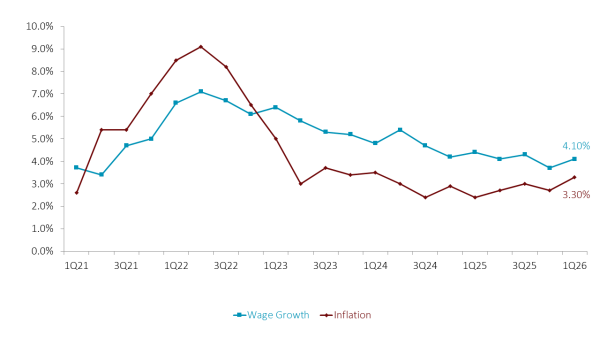
Global events are flowing directly into household budgets, reshaping how credit union members save, borrow, and cope. Such trends don’t always show up in headline data.
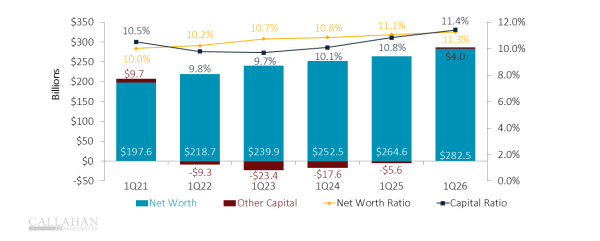
Credit unions are benefiting from a rare margin advantage as loans reprice slower than deposits. The question now is how institutions will use that strength to better serve members.
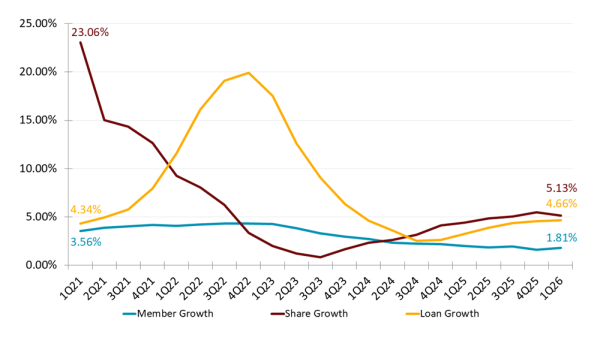
Membership growth is slowing, but financial activity is not. What does the modern financial relationship look like?
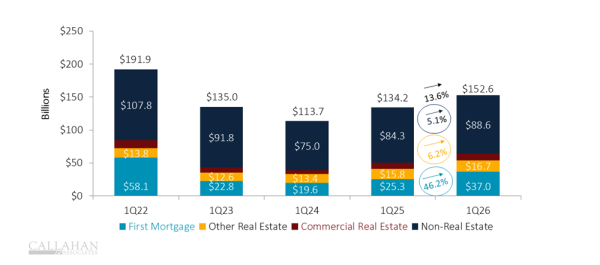
Inflation, war, and uncertain futures have reshaped members’ needs in 2026. What does credit union performance data from the first quarter of 2026 say about household budgets, inflation pressures, and more?
The Secret Legal Opinions Behind Public Decisions