Industry Trends: Investments (4Q19)
Prioritizing liquidity to navigate the uncertain economic climate, institutions allocated a higher percentage of investments toward shorter-term products in 2019.


Callahan’s associates offer their take on the best books for credit union leaders.
Inspired by “Megxit,” can you unscramble these eight credit unions with names reminiscent of the aristocracy?
Borrowers were incentivized to look for refinancing opportunities in the second half of 2019. With refinances projected to outweigh purchases through the first quarter of 2020, credit unions are primed for a strong start to the decade.
The ANATOMY series is a quarterly, multi-feature profile that explores the strategies and analyzes the performance of an exemplary credit union.
Gains to liquidity and member loyalty provide credit unions the flexibility and opportunity to serve their members financial needs into the new decade.
Despite slowdowns in indirect lending and auto loan demand, auto penetration and market share remain strong at year-end.
Across 2019, the success of the national labor market increased competition for talent and required credit unions to revise their staffing models. In today’s stressful and uncertain climate, the industry’s willingness to invest in people will provide solace and stability for employees.
Consumer optimism, debt levels, deposit balances, and more. Get a glimpse of what happened across the United States in the fourth quarter.
2019 has been the most productive lending year in the history of the credit union movement. Despite coronavirus uncertainty, strong loan growth and low delinquency bode well for the strength of the credit union balance sheet in the months ahead.

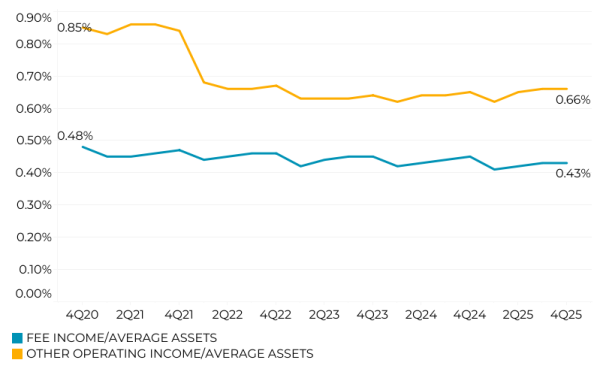
A look at year-end performance trends reveals how earnings, affordability pressures, and asset quality are redefining the operating environment heading into 2026.

Members are struggling with an affordability crisis that is changing how they manage debt, and new behaviors are showing up across the credit union loan portfolio.

This year’s Innovation Series returns with bigger impact and broader horizons. Since 2018, this annual showcase has spotlighted forward-thinking solutions by giving innovators a stage to share ideas, demonstrate solutions, and spark meaningful change.
Credit union asset quality didn’t collapse in 2025 — but it didn’t cooperate, either. What’s going on, and are credit unions prepared to respond in 2026?

This year’s Innovation Series returns with bigger impact and broader horizons. Since 2018, this annual showcase has spotlighted forward-thinking solutions by giving innovators a stage to share ideas, demonstrate solutions, and spark meaningful change.

This year’s Innovation Series returns with bigger impact and broader horizons. Since 2018, this annual showcase has spotlighted forward-thinking solutions by giving innovators a stage to share ideas, demonstrate solutions, and spark meaningful change.
The affordability crisis extends far beyond big-ticket expenses. As the rising cost of basic necessities outpaces income growth, household budgets are under strain and long-term financial stability is increasingly at risk.
As credit unions move deeper into 2026, the earnings conversation is shifting. Elevated interest rates have boosted margins and strengthened earnings flexibility, but that advantage won’t persist indefinitely.
A radical shift is taking place in the way consumers move money and engage with their financial institution.

How the Michigan-based cooperative’s “Culture of Finance” curriculum is reframing financial education.