An Island Branch Surpasses “Wildest Dreams”
Residents of Vashon Island, WA, partnered with a credit union to open a branch that drew 16% of the local population in its first year.
Credit unions can accommodate their older demographic with reverse mortgages, financial investment services, and elder abuse education.
As America continues to transform itself economically, credit unions are becoming more involved in their communities.
Credit unions should seek to ensure that the appointment process restores confidence in the political process.
An article in the Los Angeles Times provides a cautionary lesson for credit unions.
NCUSIF’s audited financials can help credit unions evaluate NCUA’s management of the $11 billion in cooperative system’s capital.
Transparency allows for all to take informed action, which is why disclosure is built into the cooperative system.
Goldilocks and Starbucks offer lessons in behavioral economics that credit unions can use to help members make decisions that are “just right.”
A summary of key provisions of the proposed action with commentary on what the rule will mean for credit unions.
There has been no public accounting for the Temporary Corporate Credit Union Stabilization Fund for nearly two years. Where are the voices calling for light?

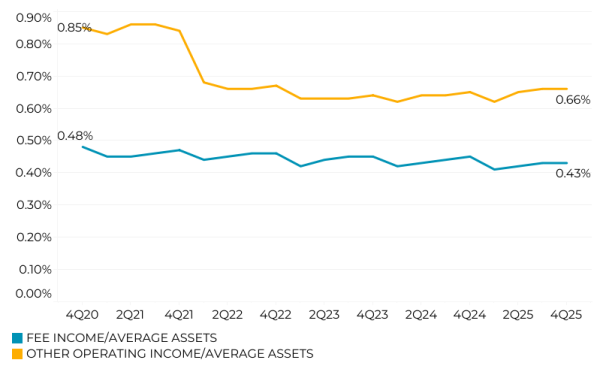
A look at year-end performance trends reveals how earnings, affordability pressures, and asset quality are redefining the operating environment heading into 2026.

Members are struggling with an affordability crisis that is changing how they manage debt, and new behaviors are showing up across the credit union loan portfolio.

This year’s Innovation Series returns with bigger impact and broader horizons. Since 2018, this annual showcase has spotlighted forward-thinking solutions by giving innovators a stage to share ideas, demonstrate solutions, and spark meaningful change.
Credit union asset quality didn’t collapse in 2025 — but it didn’t cooperate, either. What’s going on, and are credit unions prepared to respond in 2026?

This year’s Innovation Series returns with bigger impact and broader horizons. Since 2018, this annual showcase has spotlighted forward-thinking solutions by giving innovators a stage to share ideas, demonstrate solutions, and spark meaningful change.

This year’s Innovation Series returns with bigger impact and broader horizons. Since 2018, this annual showcase has spotlighted forward-thinking solutions by giving innovators a stage to share ideas, demonstrate solutions, and spark meaningful change.
The affordability crisis extends far beyond big-ticket expenses. As the rising cost of basic necessities outpaces income growth, household budgets are under strain and long-term financial stability is increasingly at risk.
As credit unions move deeper into 2026, the earnings conversation is shifting. Elevated interest rates have boosted margins and strengthened earnings flexibility, but that advantage won’t persist indefinitely.
A radical shift is taking place in the way consumers move money and engage with their financial institution.

How the Michigan-based cooperative’s “Culture of Finance” curriculum is reframing financial education.