JetStream FCU Turns CDFI Funding Into Lifelines After Hurricane Maria
A pair of CDFI grants allowed the Florida-based credit union to help members restart their lives on the island or relocate to the United States.

Our Purpose page is your central resource to explore strategies that elevate products and services from run-of-the-mill commodities to powerful tools that support members and communities and set credit unions apart from competitors.
A pair of CDFI grants allowed the Florida-based credit union to help members restart their lives on the island or relocate to the United States.
The Ohio credit union’s Sunshine Community Fund is backing new homes in Dayton, combining financial support, education, and cross-team collaboration to empower first-time buyers.
The Minnesota-based cooperative invites high-dollar depositors to turn private prosperity into shared possibility through a savings product designed around social impact.
Here’s a list of specific ways that credit unions can and cannot compensate their board volunteers.
Second quarter performance data showcases current and future areas of growth for credit unions, including loans, shares, and variety of income.
How Interra FCU has benefited from bringing on strong candidates regardless of cooperative pedigree.
As of March 31, 2015, natural person credit unions reported a total of $217.4 million in supplemental capital. What is this capital and where does it come from?
What sources of supplemental capital can credit unions access and how are they using those funds to improve the long-term health of their organizations and membership? Learn this and more on CreditUnions.com.
Jon Hernandez, the CEO of three California credit unions, describes his work-life balance, the importance of collaboration, and the logic behind a screen-door leadership policy.
The key to Greater Nevada’s success starts within its own walls, but it doesn’t end there.
First United Credit Union offers insight into how to maximize the benefits of shared staffing.
The industry’s merger rate is on the rise, but there are still plenty of credit unions developing innovative, cooperative methods to remain independent institutions. This week, CreditUnions.com takes a look at four of those methods.
In California, three credit unions put a shared-staffing strategy to work at the highest level.

Coastal Credit Union evaluates fintech through the lens of member value, strategic growth, and organizational readiness to implement new ideas.

Credit unions are making decisions about where to build, invest, and partner as they balance today’s priorities with tomorrow’s opportunities.

Industry leaders share how they approach fintech investment, balancing immediate needs with longer-term bets while keeping member value and mission at the center.

Credit unions that enable seamless movement between fiat and digital assets position themselves as a trusted on- and off-ramp.

The credit unions that win the next generation will be the ones that showed up early, when young members were forming habits and deciding whom to trust.

The challenge is no longer whether to adopt AI, but how to adopt it responsibly with the right governance, the right partners, and the right balance between technology and human oversight.
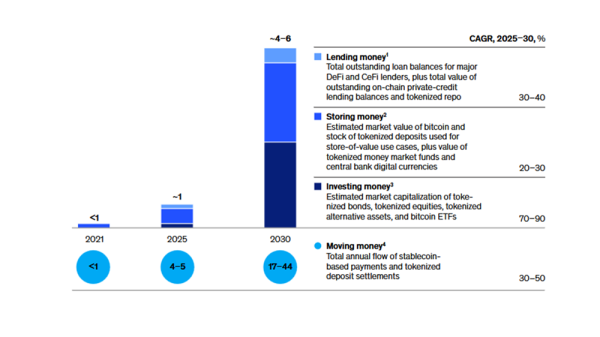
McKinsey projects trillions of dollars in growth across digital assets, with money movement emerging as one of the biggest opportunities.

The Indiana cooperative blends internal development with selective partnerships to meet members’ needs today now while positioning for what’s next.

The San Diego cooperative leans on its CUSO and the CURQL network to make fintech investments, but member needs still guide which solutions ultimately make it into the credit union’s operations.

Hands-on work with artificial intelligence tools is future-proofing staff members, giving them the confidence to adopt new technology and embrace efficiencies.