Aligning Recruitment Efforts With Boardroom Value
A report from Quantum Governance reveals a gap between board recruitment priorities and the most valuable skills in governance.

Your resource for the credit union industry’s best practices when working with boards and volunteers, regulators, strategy, member value, and CUSOs.
A report from Quantum Governance reveals a gap between board recruitment priorities and the most valuable skills in governance.
Six credit union leaders share how they are balancing innovation and governance while deploying new tools.
Member growth is slowing. What can credit unions do about it? Callahan experts explore how purpose and financial wellbeing might be the key to sustainable
Never has the competition for auto loans been so fierce. Find out how one credit union is rethinking strategies to aggressively capture these loans.
When Navy Federal decided to form a CUSO to offer investment and insurance services to members, it was a seismic indicator of the changing financial needs of members of the world’s largest credit union. Learn how they set program goals, what services they provide, and what they expect from the future.
Credit unions exist to serve members, and the Return of the Member (ROM) scoring system is designed to measure how well credit unions live up to this task.
Superior experiences don’t start when members walk through the door; they start when employees commit to WOW service.
Planning ahead both retains talent and eases the transition when a talented manager leaves.
How credit unions today are creating more profitable members through segmentation strategies.
The Ohio Credit Union League offers resources such as discussion groups and file-sharing libraries to ease the burden of complicated regulations.
Making a pledge to members in 1997 that Cascade FCU, Seattle, has no intention of merging with another financial institution Dale Kerslake, CEO, promised to pay members $100 if the CU merged and as a result changed its name, a member’s account number or closed a member’s primary branch within a five-year period. Six years and counting and there’s no payout in sight.
Disclosing executive salaries is not a regulatory issue; rather, it can be a marketplace advantage. Keeping compensation private only suggests that credit unions have something to hide.
Quantitative facts covering almost every aspect of credit union activity are abundant—and becoming even more plentiful. Many users of data are seeking answers. The issues range from the general, “How-am-I-doing?” to the specific, such as “Should-Iraise-my-NSF-fee?”

From macroeconomics to multiculturalism, the future of AI, and more, the second day of this year’s convention was packed with insights.

From new attitudes to new ways of thinking about service delivery, here’s a look at the first day of the industry’s biggest event.

Storytelling drives growth and loyalty at Navy Federal, where real member experiences become narratives that strengthen trust, reinforce value, and build lasting relationships.

From where stories come from to how they’re produced and distributed, Lake Trust shares how authentic member narratives strengthen its brand and show what “positive impact” looks like in action.

An expert in user experience turns complex problems and opportunities into narratives that guide leaders toward confident decisions and growth-focused investment.
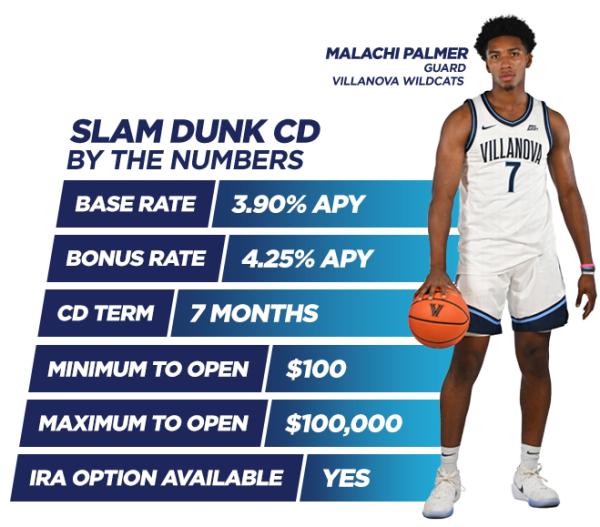
The Philadelphia-area cooperative scores among rate-shopping members with a co-branded certificate that links savings returns to college basketball results.
The credit unions that will win the next decade of card growth are those that treat credit cards not as one time product launches but as dynamic ecosystems requiring continuous investment.

Gen Z’s faith in traditional institutions gives credit unions a rich opportunity to serve as a key source of financial guidance.

CreditUnions.com is all-in on growth and marketing this week, spotlighting real-world strategies that help cooperatives serve members for life, invest in people, expand their impact, and more.

Fraud is increasing and becoming more sophisticated – and it’s often not caught until it’s too late.