
Bitcoin Bowl Points To Virtual Currency Vitality
College football game a sign of things to come? Some vendors jump in, others stay on sidelines as bitcoin usage grows.
What’s In A Name?
Clever acronyms and marketing buzzwords can only take a brand so far. That’s why Navy Army Community Credit Union has spent the past 10 years ...
How To Teach Rocket Science
What credit unions can learn from NASA’s social media branding initiative.
First Quarter Growth In 2015 Is Critical To Sustain Momentum
First quarter is an ideal time to pay slightly above market to lock in long-term CDs and reactivate interest in money market offerings.
NCUA Owes Credit Unions $2 Billion In TCCUSF Refunds
Investment gains of more than $700 million prove the three liquidated corporates have always had positive capital.

Turn A Rebrand Into A Re-Statement
How a website redesign, a charter conversion, and a channel update helped Suncoast Credit Union reaffirm its mission statement.

5 Promotional Tips For 2015
Wright-Patt Credit Union shares how it increased its name awareness from 55% to 73% in seven years.

How To Build Brand One Mouth At A Time
Word-of-mouth, volunteer boards, and press releases replace email blasts, flyers, and media spend at the nation’s second-largest credit union.

Innovation Only Goes So Far Without Internal Alignment
Coastal Credit Union evaluates fintech through the lens of member value, strategic growth, and organizational readiness to implement new ideas.

Future Bets For Fintech
Credit unions are making decisions about where to build, invest, and partner as they balance today’s priorities with tomorrow’s opportunities.

Future Bets From Today’s Credit Unions
Industry leaders share how they approach fintech investment, balancing immediate needs with longer-term bets while keeping member value and mission at the center.

Competing For Gen Z, SMBs, And The Future Of Money
Credit unions that enable seamless movement between fiat and digital assets position themselves as a trusted on- and off-ramp.

The Financial Readiness Gap: Credit Unions Evaluate It Every Day. But Who Builds It?
The credit unions that win the next generation will be the ones that showed up early, when young members were forming habits and deciding whom to trust.

Defending Your Credit Union Against Fraud Means Fighting Fire With Smarter Fire
The challenge is no longer whether to adopt AI, but how to adopt it responsibly with the right governance, the right partners, and the right balance between technology and human oversight.
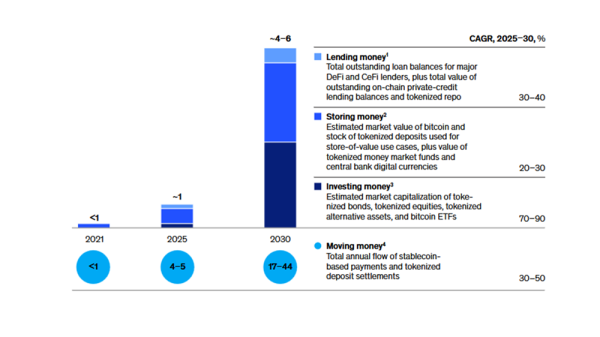
Digital Assets Are Coming For Payments. Are Credit Unions Ready?
McKinsey projects trillions of dollars in growth across digital assets, with money movement emerging as one of the biggest opportunities.

The Long Game For Fintech At FORUM Credit Union
The Indiana cooperative blends internal development with selective partnerships to meet members’ needs today now while positioning for what’s next.

Mission Fed Weighs Fintech Returns Against Real-World Fit
The San Diego cooperative leans on its CUSO and the CURQL network to make fintech investments, but member needs still guide which solutions ultimately make it into the credit union’s operations.

AI Boot Camp Is More Than Basic Training At Clearview FCU
Hands-on work with artificial intelligence tools is future-proofing staff members, giving them the confidence to adopt new technology and embrace efficiencies.
Lather, Rinse, And Repeat