What’s In A Name: Chief Efficiency Officer
Kelli Wisner-Frank serves as the linchpin between finance and innovation at Community Choice Credit Union, aligning automation, smarter processes, and cost discipline to turn front-line

Your hub to learn how credit unions manage assets and liabilities, boost non-interest income, improve efficiencies and productivity, and maximize returns.
Kelli Wisner-Frank serves as the linchpin between finance and innovation at Community Choice Credit Union, aligning automation, smarter processes, and cost discipline to turn front-line

Craft breweries demonstrate how commitment to value, operational agility, and community focus can ignite growth and drive property.
Inflation, debt, and income inequality are fueling a K-shaped, post-pandemic recovery, widening the gap between different economic segments and challenging lower-income households.
As of March 31, 2015, natural person credit unions reported a total of $217.4 million in supplemental capital. What is this capital and where does it come from?
What sources of supplemental capital can credit unions access and how are they using those funds to improve the long-term health of their organizations and membership? Learn this and more on CreditUnions.com.
In 2010, Fairfax County Credit Union received supplemental capital from the U.S. Treasury. Here’s how it used those funds to improve the long-term health of the credit union and its membership.
Michael Wettrich, president and chief executive of the $90 million Education First Credit Union in Ohio, makes the case for supplemental capital at credit unions.
Supplemental capital is a useful tool that is long overdue; however, it is not without risk and potential complications.
A slow summer day, mixed earnings for two symbolic companies, and dropping oil prices present a mixed bag for a sluggish global economy.
A broad contribution scope, standardized rewards, and sales-averse employee strategies have paid dividends for these Western credit unions.
The California credit union opens 22% of its new memberships online and will soon add a mobile app option.
Traders shrug at the deal struck between the European Union and Greek Parliament but turn their attention to ECB president Mario Draghi.
Hopefully, U.S. traders are not really focusing on Chinese markets. Why optimism over Greece in Europe is growing also is unclear.

Coastal Credit Union evaluates fintech through the lens of member value, strategic growth, and organizational readiness to implement new ideas.

Credit unions are making decisions about where to build, invest, and partner as they balance today’s priorities with tomorrow’s opportunities.

Industry leaders share how they approach fintech investment, balancing immediate needs with longer-term bets while keeping member value and mission at the center.

Credit unions that enable seamless movement between fiat and digital assets position themselves as a trusted on- and off-ramp.

The credit unions that win the next generation will be the ones that showed up early, when young members were forming habits and deciding whom to trust.

The challenge is no longer whether to adopt AI, but how to adopt it responsibly with the right governance, the right partners, and the right balance between technology and human oversight.
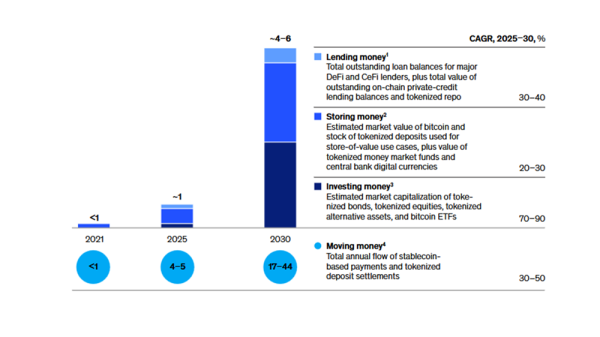
McKinsey projects trillions of dollars in growth across digital assets, with money movement emerging as one of the biggest opportunities.

The Indiana cooperative blends internal development with selective partnerships to meet members’ needs today now while positioning for what’s next.

The San Diego cooperative leans on its CUSO and the CURQL network to make fintech investments, but member needs still guide which solutions ultimately make it into the credit union’s operations.

Hands-on work with artificial intelligence tools is future-proofing staff members, giving them the confidence to adopt new technology and embrace efficiencies.
Why Credit Unions Need Supplemental Capital