What’s In A Name: Chief Efficiency Officer
Kelli Wisner-Frank serves as the linchpin between finance and innovation at Community Choice Credit Union, aligning automation, smarter processes, and cost discipline to turn front-line

Your hub to learn how credit unions manage assets and liabilities, boost non-interest income, improve efficiencies and productivity, and maximize returns.
Kelli Wisner-Frank serves as the linchpin between finance and innovation at Community Choice Credit Union, aligning automation, smarter processes, and cost discipline to turn front-line

Craft breweries demonstrate how commitment to value, operational agility, and community focus can ignite growth and drive property.
Inflation, debt, and income inequality are fueling a K-shaped, post-pandemic recovery, widening the gap between different economic segments and challenging lower-income households.
DuPont Community Credit Union ($486m) had a goal of increasing credit card loans by $4.8 million in two months but surpassed it in only two weeks.
The branch is still the face of a credit union. Many credit unions are rethinking and expanding their design strategies to meet member needs.
Ball State FCU ($73M) and Educational Employees CU ($1.2B) are both using Voice over Internet Protocol (VoIP) to enhance communication services and reduce expenses.
Sticking to its roots kept this New Jersey credit union standing firm in uncertain times.
Patelco and GTE manage expenses and asset quality to earn their way back.
First quarter results from North Island Financial Credit Union show a credit union on a journey back to health.
In 2008, Saint Francis Federal Credit Union moved away from paper processing and transitioned to image-based item processing.
Three mutually reinforcing relationships at the core of the virtuous cycle promote credit union growth, even during times of economic fluctuation.
A look back at Community First FCU’s loan sale shows that the sale was successful in creating profitable loans and loyal new members.
A review of NCUSIF audits show a rebuff of reality that marks seven years of building budgets while thwarting the fund’s intent to sustain and nurture.

Credit unions are making decisions about where to build, invest, and partner as they balance today’s priorities with tomorrow’s opportunities.

Industry leaders share how they approach fintech investment, balancing immediate needs with longer-term bets while keeping member value and mission at the center.

Credit unions that enable seamless movement between fiat and digital assets position themselves as a trusted on- and off-ramp.

The credit unions that win the next generation will be the ones that showed up early, when young members were forming habits and deciding whom to trust.

The challenge is no longer whether to adopt AI, but how to adopt it responsibly with the right governance, the right partners, and the right balance between technology and human oversight.
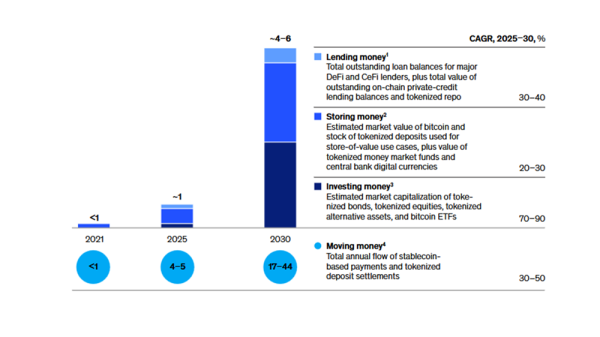
McKinsey projects trillions of dollars in growth across digital assets, with money movement emerging as one of the biggest opportunities.

The Indiana cooperative blends internal development with selective partnerships to meet members’ needs today now while positioning for what’s next.

The San Diego cooperative leans on its CUSO and the CURQL network to make fintech investments, but member needs still guide which solutions ultimately make it into the credit union’s operations.

Hands-on work with artificial intelligence tools is future-proofing staff members, giving them the confidence to adopt new technology and embrace efficiencies.
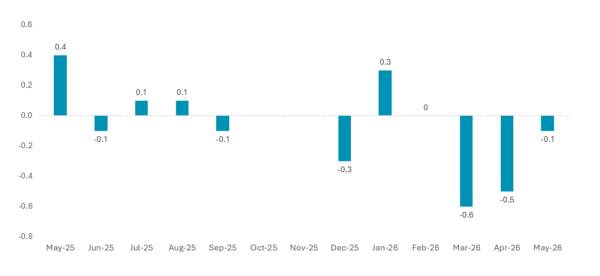
Wages briefly caught up with inflation, but rising costs have pushed them back into negative territory. Here’s what that shift means for member finances and credit union performance.
A Cash Cow 7 Years In The Making