Asset Quality Takes An Uncomfortable Turn In 2025
Credit union asset quality didn’t collapse in 2025 — but it didn’t cooperate, either. What’s going on, and are credit unions prepared to respond in 2026?


This year’s Innovation Series returns with bigger impact and broader horizons. Since 2018, this annual showcase has spotlighted forward-thinking solutions by giving innovators a stage to share ideas, demonstrate solutions, and spark meaningful change.
The affordability crisis extends far beyond big-ticket expenses. As the rising cost of basic necessities outpaces income growth, household budgets are under strain and long-term financial stability is increasingly at risk.
As credit unions move deeper into 2026, the earnings conversation is shifting. Elevated interest rates have boosted margins and strengthened earnings flexibility, but that advantage won’t persist indefinitely.
A radical shift is taking place in the way consumers move money and engage with their financial institution.
How the Michigan-based cooperative’s “Culture of Finance” curriculum is reframing financial education.
The gulf between the haves and the have-nots has widened in recent years. Credit unions can help members catch up.
As many credit unions pull back from indirect lending to manage the balance sheet, Erie FCU is leaning in. By elevating dealer engagement to a dedicated role, the cooperative is investing more resources in a business line others are rethinking.
As the Federal Reserve cuts interest rates, credit unions are adapting in tandem, balancing membership needs with asset quality. This balance will be one of many topics discussed during Callahan’s quarterly Trendwatch webinar.

Credit unions are making decisions about where to build, invest, and partner as they balance today’s priorities with tomorrow’s opportunities.

Industry leaders share how they approach fintech investment, balancing immediate needs with longer-term bets while keeping member value and mission at the center.

Credit unions that enable seamless movement between fiat and digital assets position themselves as a trusted on- and off-ramp.

The credit unions that win the next generation will be the ones that showed up early, when young members were forming habits and deciding whom to trust.

The challenge is no longer whether to adopt AI, but how to adopt it responsibly with the right governance, the right partners, and the right balance between technology and human oversight.
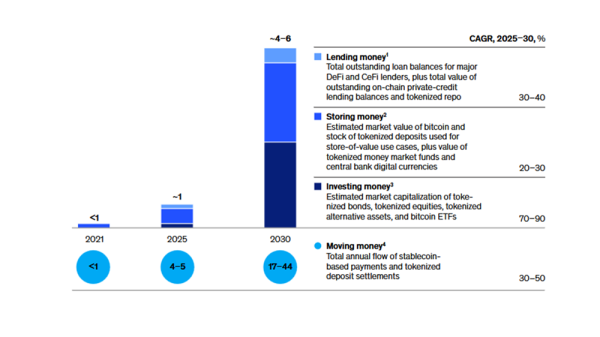
McKinsey projects trillions of dollars in growth across digital assets, with money movement emerging as one of the biggest opportunities.

The Indiana cooperative blends internal development with selective partnerships to meet members’ needs today now while positioning for what’s next.

The San Diego cooperative leans on its CUSO and the CURQL network to make fintech investments, but member needs still guide which solutions ultimately make it into the credit union’s operations.

Hands-on work with artificial intelligence tools is future-proofing staff members, giving them the confidence to adopt new technology and embrace efficiencies.
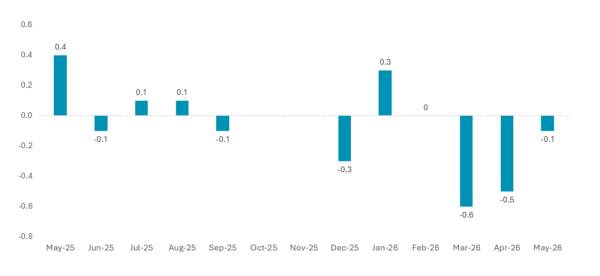
Wages briefly caught up with inflation, but rising costs have pushed them back into negative territory. Here’s what that shift means for member finances and credit union performance.
