What’s In A Name: Chief Efficiency Officer
Kelli Wisner-Frank serves as the linchpin between finance and innovation at Community Choice Credit Union, aligning automation, smarter processes, and cost discipline to turn front-line

Your hub to learn how credit unions manage assets and liabilities, boost non-interest income, improve efficiencies and productivity, and maximize returns.
Kelli Wisner-Frank serves as the linchpin between finance and innovation at Community Choice Credit Union, aligning automation, smarter processes, and cost discipline to turn front-line
Craft breweries demonstrate how commitment to value, operational agility, and community focus can ignite growth and drive property.
Inflation, debt, and income inequality are fueling a K-shaped, post-pandemic recovery, widening the gap between different economic segments and challenging lower-income households.
This week, CreditUnions.com features articles showing how credit unions are driving non-interest income, from PIN fees to secondary market sales.
Amy Sink, CFO of Teachers CU in South Bend, IN, spoke with Credit Union Strategy & Performance editor Brooke Stoddard in early March on the challenges and opportunties her credit union faces in 2009.
The Net Promoter® Score is a metric that measures how likely your members will recommend the credit union. Where does your credit union fall on the scale? Are your members promoters or detractors?
Credit unions are implementing purchase card, or p-card, programs to streamline payables, manage cash, and earn on their spending.
With net interest margin at its lowest level in recent history, credit unions will need greater focus on expense control to overcome the earnings squeeze.
Looking for new opportunities, we formed a CUSO holding company and within it a marketing company. This marketing company serves credit unions, even banks, has been profitable since inception and has extended our reach to persons otherwise not served.
Many seniors are concerned about funding their retirement, especially with rising medical and living expenses. A reverse mortgage product allows credit unions help older members address their financial needs.
As the ability to expand and advance member offerings online continues forward, credit unions are looking for enhanced ways to empower their members with technology to better understand their needs and position the credit union more favorably as the trusted primary financial institution (PFI). Popular solutions are emerging that
The new accounting standard from FASB presents challenges and opportunities to credit unions and CUSOs.
Introducing monthly dues was a risky move for Arizona Federal. Yet one year later, the credit union has a more engaged membership as a result.

How a former Sam’s Club finance leader adapted his member-first mindset to a not-for-profit credit union.

The Michigan cooperative keeps everyday payments working and members happy by using a common friction point to build brand loyalty.
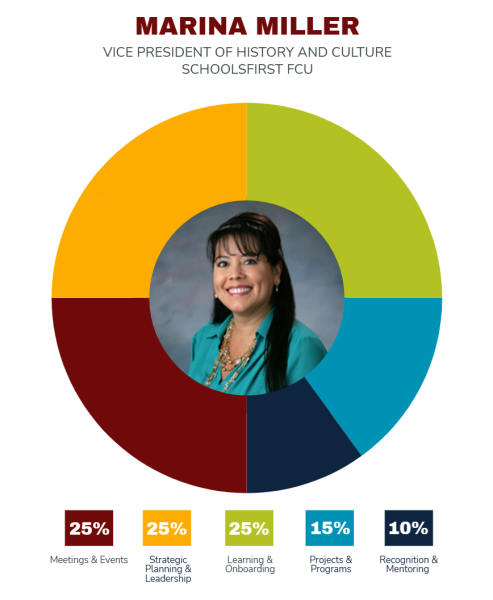
How a unique role instills SchoolsFirst FCU’s future leaders with an appreciation for its past.

Arriba Advisors co-founder Tom Russell explores how credit unions can bridge the gap between a growth mindset and their technical reality.

RKL offers insight, expertise, and experience to help fight off growing threats.

Members are anxious about their financial futures, even as credit unions remain financially strong. Institutions that respond to this moment can make 2026 a turning point.
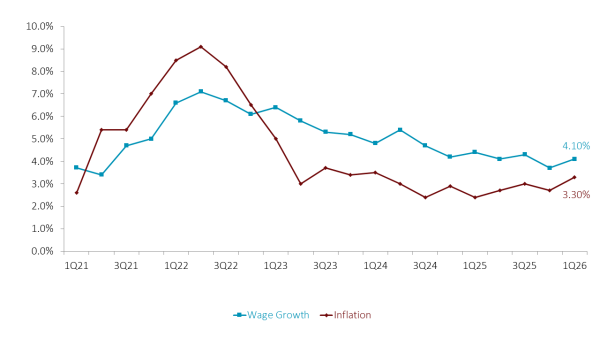
Global events are flowing directly into household budgets, reshaping how credit union members save, borrow, and cope. Such trends don’t always show up in headline data.
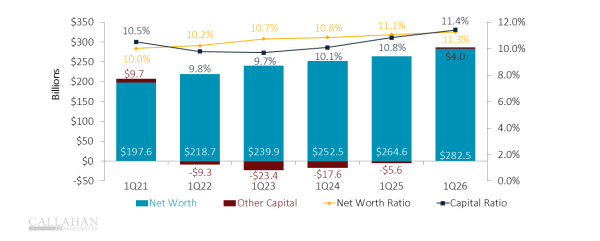
Credit unions are benefiting from a rare margin advantage as loans reprice slower than deposits. The question now is how institutions will use that strength to better serve members.
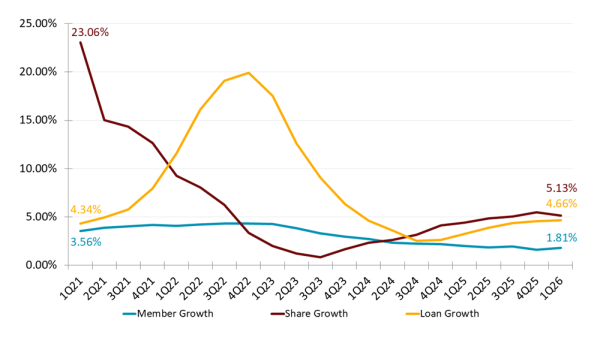
Membership growth is slowing, but financial activity is not. What does the modern financial relationship look like?
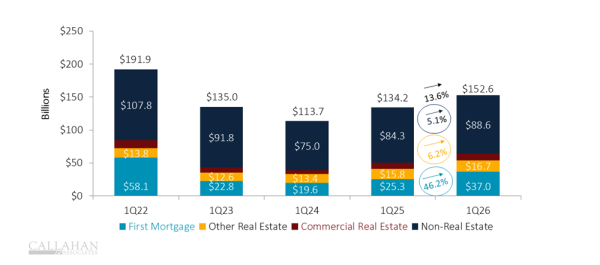
Inflation, war, and uncertain futures have reshaped members’ needs in 2026. What does credit union performance data from the first quarter of 2026 say about household budgets, inflation pressures, and more?