How 2 Marketing Teams Organize For Impact
The organizational structures for the marketing teams at 3Rivers FCU and Leaders Credit Union couldn’t be more different, but they share a common goal.

The best place to learn about credit unions strategies like branding, PR, social media, and engagement to attract members!
The organizational structures for the marketing teams at 3Rivers FCU and Leaders Credit Union couldn’t be more different, but they share a common goal.

Practical tips from marketing pros for navigating brand integration, from aligning messaging and honoring legacy to building trust and more.
The Member Story Project from Callahan & Associates invites credit unions to share their stories of member impact and celebrate how they change lives every
Top-Level Takeaways Co-locations diversify branch networks and can attract community members to a branch for reasons completely unrelated to banking. The collaborations provide opportunities for credit unions to align themselves with unlikely partners, and some arrangements provide non-interest income streams. Co-location strategies in which credit unions share space with another business often completely unrelated to
Digital onboarding starts with understanding the evolving needs of your members. Members want a unified experience that proactively anticipates their needs and simplifies the onboarding process across digital, call center, and branch channels.
CreditUnions.com has the inspiration leaders need to improve their credit union’s impact. Check out stories below featured recently that highlight strategies, initiatives, products, and services of credit unions making a positive impact for the members and communities they serve. How To Narrow The Racial Wealth Gap And Expand Access To Underbanked Consumers The social unrest
Kristine Rellihan works toward the ideal blend of efficiency, goal alignment, impact, internal service satisfaction, and process workflow at Dupaco Community Credit Union.
United FCU offers support by reducing overdraft and NSF fees; Amplify flat-out eliminates them.
Along with hosting its first Financial Inclusion Forums — intended to be an annual event — the California credit union is making efforts to provide products and services that meet the needs of underserved consumers who might be intimidated by traditional FIs.
Grant Gallagher leads from the intersection of member education and public relations to build brand and impact at his New Jersey credit union.
This Military Saves Month, check out how efforts within credit union land have earned three cooperatives the Designation of Savings Excellence.
Through the Volunteer Income Tax Assistance program, cooperatives help prep and file tax returns for underserved community members.
The Connecticut credit union has an in-depth plan to help narrow the racial wealth gap and expand access to underbanked consumers.

The Michigan cooperative keeps everyday payments working and members happy by using a common friction point to build brand loyalty.

How a former Sam’s Club finance leader adapted his member-first mindset to a not-for-profit credit union.
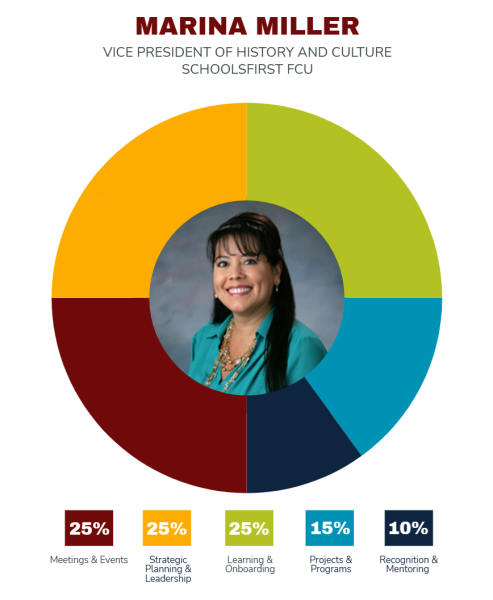
How a unique role instills SchoolsFirst FCU’s future leaders with an appreciation for its past.

Arriba Advisors co-founder Tom Russell explores how credit unions can bridge the gap between a growth mindset and their technical reality.

RKL offers insight, expertise, and experience to help fight off growing threats.

Members are anxious about their financial futures, even as credit unions remain financially strong. Institutions that respond to this moment can make 2026 a turning point.
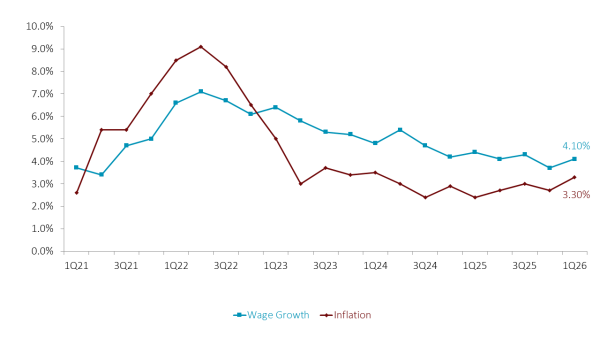
Global events are flowing directly into household budgets, reshaping how credit union members save, borrow, and cope. Such trends don’t always show up in headline data.
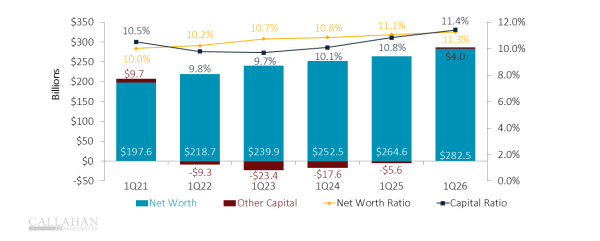
Credit unions are benefiting from a rare margin advantage as loans reprice slower than deposits. The question now is how institutions will use that strength to better serve members.
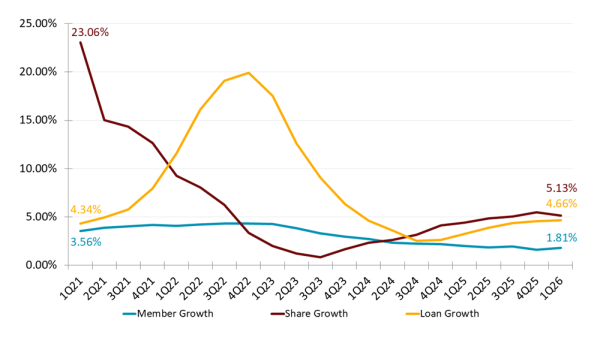
Membership growth is slowing, but financial activity is not. What does the modern financial relationship look like?
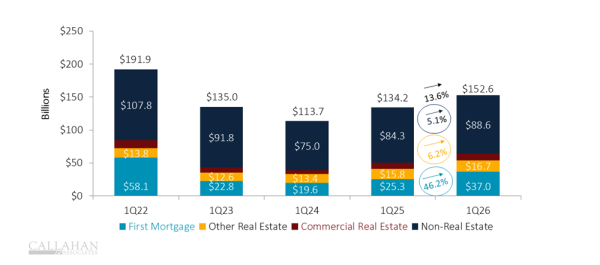
Inflation, war, and uncertain futures have reshaped members’ needs in 2026. What does credit union performance data from the first quarter of 2026 say about household budgets, inflation pressures, and more?