Griff O’Brien On Leadership
Griff O’Brien, senior vice president and chief membership officer at Advantis Credit Union, details his recipe for cultural success at a large credit union.


Whitefish Credit Union barely mentions itself in its member stories. Instead, its high-quality video storytelling spotlights people, businesses, and communities, building trust, advocacy, and impact that don’t always show up in traditional ROI metrics.
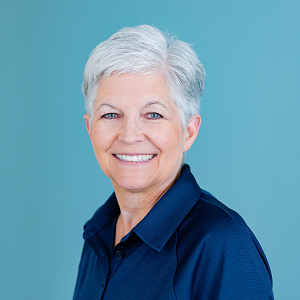
The retired Langley FCU executive looks back on a career shaped by industry change, evolving leadership responsibility, and a constant focus on serving members first.

The New Jersey-New York metro credit union shares how a wellbeing-led strategy ensures members know where to turn first when life gets difficult.

To become skilled at personalization, credit unions must stop making assumptions about what resonates with members and start leveraging data to be sure.

Check all the right boxes while tying your credit union compliance efforts to strategy.

Looking for quarterly data coverage, expert analysis, lessons from leading credit unions, and more? Callahan has it covered. Comparing top-level performance and digging into the details has never been easier.

Callahan & Associates spotlights credit unions that return more value to members.

Langley FCU asked what it would take to be a truly exceptional workplace, and it shares four ways to get there.

Make your succession plan strategic and give it ‘teeth’ to reap the benefits of stronger governance and more effective C-suite leadership.

A public-private partnership in Michigan aims to influence opportunities after high school via a child savings account that provides yearly deposits and every reason to imagine what comes after graduation.