Aligning Recruitment Efforts With Boardroom Value
A report from Quantum Governance reveals a gap between board recruitment priorities and the most valuable skills in governance.

Your resource for the credit union industry’s best practices when working with boards and volunteers, regulators, strategy, member value, and CUSOs.
A report from Quantum Governance reveals a gap between board recruitment priorities and the most valuable skills in governance.

Six credit union leaders share how they are balancing innovation and governance while deploying new tools.
Member growth is slowing. What can credit unions do about it? Callahan experts explore how purpose and financial wellbeing might be the key to sustainable
The growth of the millennial immigrant population has handed the credit union movement a great opportunity and obligation.
In a sky full of glittering opportunities, maintaining the industry’s guiding principles becomes more crucial, not less.
As America continues to transform itself economically, credit unions are becoming more involved in their communities.
TDECU’s new CEO Stephanie Sherrodd channels past experience with her institution to encourage continued momentum and harmony in its future governance.
To promote the continuous evolution of the credit union charter and its multifaceted contributions to the country’s economic progress, a new cooperative regulatory structure is needed.
Alchemy and innovation at CUSO conference shows a movement on the move.
Learn the four ways GECU differentiates itself.
As credit unions like GTE FCU grow, says Bucky Sebastian, organizational development is increasingly essential because it is a credit union’s team and its culture that so often set it apart.
How can credit unions make a second century as good as the first? We examine the question and forge some answers.
Builder of WesCorp and 30-year Marine Dick Johnson reflects on what it takes to sustain an organization over the long term.

Arriba Advisors co-founder Tom Russell explores how credit unions can bridge the gap between a growth mindset and their technical reality.

RKL offers insight, expertise, and experience to help fight off growing threats.

Members are anxious about their financial futures, even as credit unions remain financially strong. Institutions that respond to this moment can make 2026 a turning point.

Global events are flowing directly into household budgets, reshaping how credit union members save, borrow, and cope. Such trends don’t always show up in headline data.

Credit unions are benefiting from a rare margin advantage as loans reprice slower than deposits. The question now is how institutions will use that strength to better serve members.

Membership growth is slowing, but financial activity is not. What does the modern financial relationship look like?

Inflation, war, and uncertain futures have reshaped members’ needs in 2026. What does credit union performance data from the first quarter of 2026 say about household budgets, inflation pressures, and more?

Look beyond the headlines to better understand what is driving current market trends and how they could impact credit union investment portfolios.

Today’s job market is shaped by skills based expectations, with employers slowing entry level hiring and placing greater emphasis on applied experience.

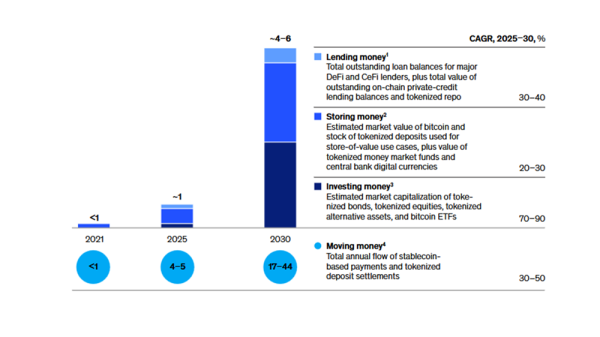
St. Cloud Financial is betting on digital assets to protect member relationships and future relevance. It’s picked up lessons for other leaders along the way.
Planes, Timeshares, And Big Data At NACUSO