A Closer Look At Recent Call Report Changes
The NCUA overhauled its 5300 reporting requirements in the first quarter of this year. After such a drastic data change, here’s how industry leaders can understand the updated requirements.

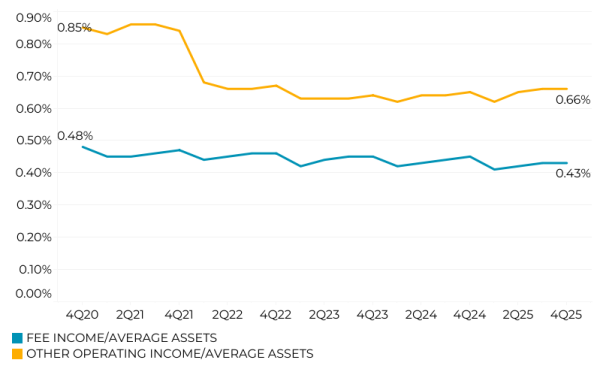
As margin support begins to fade, earnings performance is becoming more sensitive to revenue mix and harder to interpret through public reporting alone.
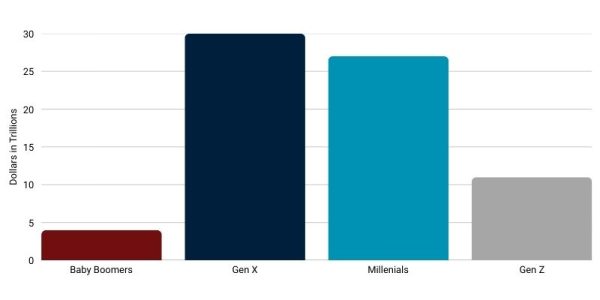
Harvard FCU combines digital estate planning with human financial guidance to support positive, proactive wealth transfer across generations.

Discover how small to midsize credit unions can weather the economic headwinds hitting their communities right now.

Look beyond the headlines to better understand what is driving current market trends and how they could impact credit union investment portfolios.
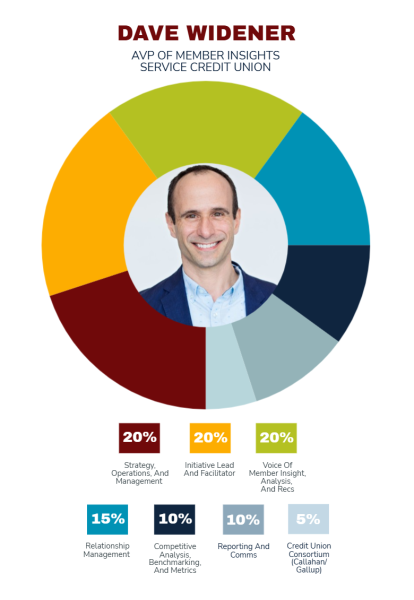
At Service Credit Union, Dave Widener connects data, strategy, and culture to shape better outcomes for members.

The Ohio-based cooperative has partnered with a fintech to offer fractional investing as part of its financial education curriculum in local schools.

Seven questions credit union board members should ask to ensure alignment on executive benefit plan goals.

As credit unions move from experimentation to adoption, leaders offer firsthand knowledge on what separates weak policies from strong ones that actually work.

How Members Cooperative focuses on structure, oversight, and clear expectations to ensure AI supports, not undermines, long term strategy.
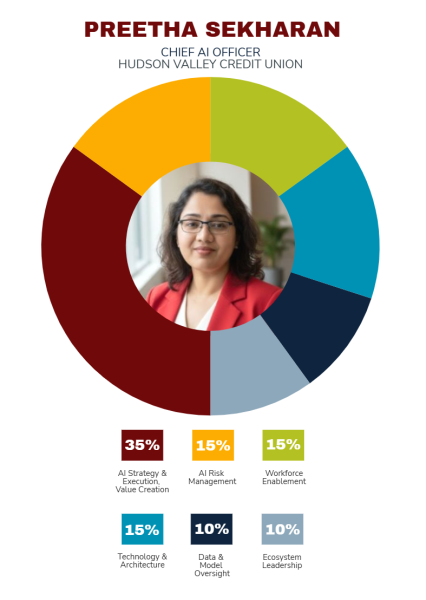
As Hudson Valley Credit Union’s artificial intelligence chief, Preetha Sekharan holds a rare role in the industry, but it’s one that is likely to become far more common in the future.