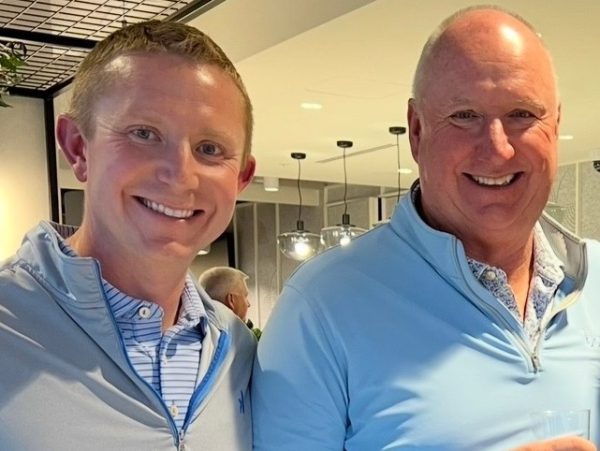
Seth Schaefer On Leadership
The Rivermark Community president and CEO began his career as webmaster and says the front-facing member experience is a priority now equal to back-end bookkeeping.
A committee approach allows the Washington cooperative to manage to an appropriate risk level while being a champion for members’ financial well-being.
Simple changes make it clear this California cooperative is in the people business.
The decade ends with the three most productive lending quarters in the history of the credit union movement. Plus, more can’t-miss insights from Callahan’s quarterly webinar.
CEOs have plenty of challenges, but they also have the ability to make a mark in the credit union and the community.
Doug Fecher, CEO of Wright-Patt Credit Union, offers a new leader advice on how to take the helm of a financial cooperative.
After a period of rebuilding, Coastal Federal Credit Union posts three record-breaking years.
CommonWealth One FCU emphasizes internal organic growth.
KeyPoint taps member talents to hone its products.
With old troubles in the past, USAlliance will pursue new opportunities.

The Michigan cooperative keeps everyday payments working and members happy by using a common friction point to build brand loyalty.

How a former Sam’s Club finance leader adapted his member-first mindset to a not-for-profit credit union.

How a unique role instills SchoolsFirst FCU’s future leaders with an appreciation for its past.

Arriba Advisors co-founder Tom Russell explores how credit unions can bridge the gap between a growth mindset and their technical reality.

RKL offers insight, expertise, and experience to help fight off growing threats.

Members are anxious about their financial futures, even as credit unions remain financially strong. Institutions that respond to this moment can make 2026 a turning point.

Global events are flowing directly into household budgets, reshaping how credit union members save, borrow, and cope. Such trends don’t always show up in headline data.

Credit unions are benefiting from a rare margin advantage as loans reprice slower than deposits. The question now is how institutions will use that strength to better serve members.

Membership growth is slowing, but financial activity is not. What does the modern financial relationship look like?

Inflation, war, and uncertain futures have reshaped members’ needs in 2026. What does credit union performance data from the first quarter of 2026 say about household budgets, inflation pressures, and more?