What’s In A Name: Chief Efficiency Officer
Kelli Wisner-Frank serves as the linchpin between finance and innovation at Community Choice Credit Union, aligning automation, smarter processes, and cost discipline to turn front-line

Your hub to learn how credit unions manage assets and liabilities, boost non-interest income, improve efficiencies and productivity, and maximize returns.
Kelli Wisner-Frank serves as the linchpin between finance and innovation at Community Choice Credit Union, aligning automation, smarter processes, and cost discipline to turn front-line

Craft breweries demonstrate how commitment to value, operational agility, and community focus can ignite growth and drive property.
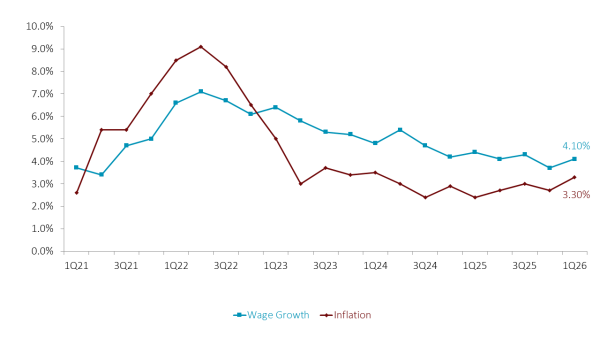
Inflation, debt, and income inequality are fueling a K-shaped, post-pandemic recovery, widening the gap between different economic segments and challenging lower-income households.
While banks drop free checking and debit reward programs, credit unions see checking accounts as the first stepping stone in building deeper member relationships.
This indecision over whether to tighten rates is wasted angst.
As of March 31, 2015, natural person credit unions reported a total of $217.4 million in supplemental capital. What is this capital and where does it come from?
What sources of supplemental capital can credit unions access and how are they using those funds to improve the long-term health of their organizations and membership? Learn this and more on CreditUnions.com.
In 2010, Fairfax County Credit Union received supplemental capital from the U.S. Treasury. Here’s how it used those funds to improve the long-term health of the credit union and its membership.
Michael Wettrich, president and chief executive of the $90 million Education First Credit Union in Ohio, makes the case for supplemental capital at credit unions.
Supplemental capital is a useful tool that is long overdue; however, it is not without risk and potential complications.
A slow summer day, mixed earnings for two symbolic companies, and dropping oil prices present a mixed bag for a sluggish global economy.
A broad contribution scope, standardized rewards, and sales-averse employee strategies have paid dividends for these Western credit unions.
The California credit union opens 22% of its new memberships online and will soon add a mobile app option.

As Super Bowl LX nears, the Callahan Bowl prediction model says the Seahawks will see green en route to the Lombardi Trophy.

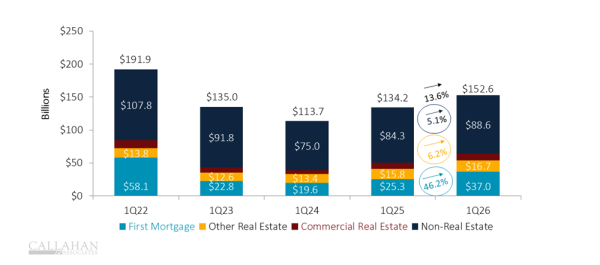
Lending is evolving, and credit unions are adapting. This week, CreditUnions.com examines how shifting economic conditions are reshaping lending strategies.

Affordability pressures, extended loan terms, and shifting vehicle values are forcing institutions to look beyond familiar structures and reconsider how to balance risk and return.

Credit unions are uniquely well-positioned to guide members through uncertainty and fill essential funding gaps.

A closer look at the trade-offs of mandated lower credit card rates reveals a delicate balance between portfolio health and member access.

A handful of regional credit unions pair up with the GoWest Foundation to offer 100% financing for eligible borrowers.

Learn how to identify, track, and manage four commercial lending exceptions to reduce risk, strengthen compliance, and streamline operations.

Declining savings rates and rising financial pressure are reshaping why members borrow, pushing credit unions to rethink lending strategies.

How can credit unions stay true to their mission while evolving to meet modern needs?

Ultra-low rates might feel like a boost to affordability, but they can create unintended challenges that ripple through housing markets, lenders, and the members credit unions serve.
The Fed Should Give Itself Room To Breathe