How AI Is Shaping HR For The Next Era
Four executives share how they are skilling up and soothing nerves as they navigate the AI revolution in real time.

Our HR & Training page is your first stop for credit union tactics in training, employee incentives, succession planning, executive compensation, and more.
Four executives share how they are skilling up and soothing nerves as they navigate the AI revolution in real time.

Discover how two employee awards honor the Arizona credit union’s commitment to a team-first culture while boosting employee engagement and workplace culture.
The California cooperative turned a call center crisis into a success story — starting with cutting the average wait time from 45 minutes to three.
Canvas Credit Union wants to be known for its people, and a different way of approaching HR is helping it achieve that goal.
A Tennessee credit union is boosting performance with a program geared to support up-and-coming leaders.
Focusing on front-line employees helps credit unions better serve their members and communities.
After adopting a virtual model for its college internship program, UFCU continued to build out financial wellness counseling, networking, and scholarship components.
Employees asked, and Horizon FCU made Black Friday a paid holiday. The Pennsylvania cooperative has made other decisions by following its mission, vision, and values, too.
To take on transformation, Signal Financial makes an old-school move and keeps digital services with IT under one manager.
Mike Patterson integrates HR, marketing, and mission at Pennsylvania’s Horizon Federal Credit Union.
Texas and DC credit union managers share how culture and flexibility help them hire in a competitive market.
The Pennsylvania credit union is expanding its technology offerings to create internal efficiencies and improve convenience, but it’s still not cutting the branch.
As they prepare for new developments, credit unions are keeping branches open for longer hours and leaning on hybrid work-from-home models to keep the back office going.

Credit unions are making decisions about where to build, invest, and partner as they balance today’s priorities with tomorrow’s opportunities.

Industry leaders share how they approach fintech investment, balancing immediate needs with longer-term bets while keeping member value and mission at the center.

Credit unions that enable seamless movement between fiat and digital assets position themselves as a trusted on- and off-ramp.

The credit unions that win the next generation will be the ones that showed up early, when young members were forming habits and deciding whom to trust.

The challenge is no longer whether to adopt AI, but how to adopt it responsibly with the right governance, the right partners, and the right balance between technology and human oversight.
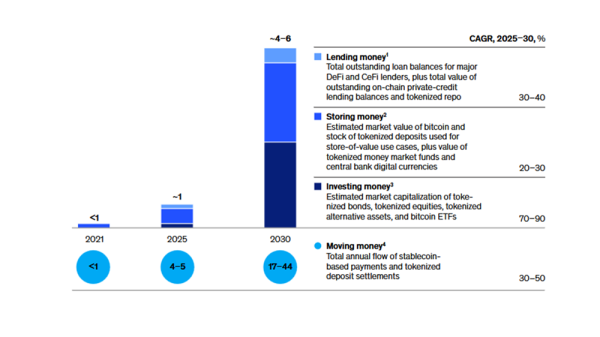
McKinsey projects trillions of dollars in growth across digital assets, with money movement emerging as one of the biggest opportunities.

The Indiana cooperative blends internal development with selective partnerships to meet members’ needs today now while positioning for what’s next.

The San Diego cooperative leans on its CUSO and the CURQL network to make fintech investments, but member needs still guide which solutions ultimately make it into the credit union’s operations.

Hands-on work with artificial intelligence tools is future-proofing staff members, giving them the confidence to adopt new technology and embrace efficiencies.
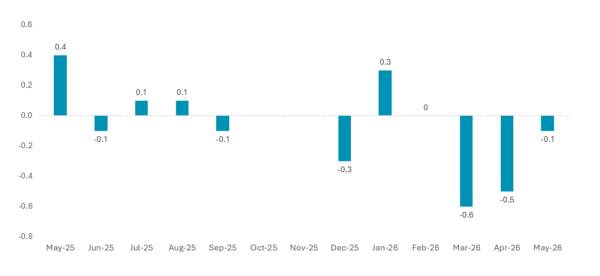
Wages briefly caught up with inflation, but rising costs have pushed them back into negative territory. Here’s what that shift means for member finances and credit union performance.
Are Credit Unions Having A Meaningful Impact On Employees?