JetStream FCU Turns CDFI Funding Into Lifelines After Hurricane Maria
A pair of CDFI grants allowed the Florida-based credit union to help members restart their lives on the island or relocate to the United States.

Our Purpose page is your central resource to explore strategies that elevate products and services from run-of-the-mill commodities to powerful tools that support members and communities and set credit unions apart from competitors.
A pair of CDFI grants allowed the Florida-based credit union to help members restart their lives on the island or relocate to the United States.

The Ohio credit union’s Sunshine Community Fund is backing new homes in Dayton, combining financial support, education, and cross-team collaboration to empower first-time buyers.
The Minnesota-based cooperative invites high-dollar depositors to turn private prosperity into shared possibility through a savings product designed around social impact.
The new accounting standard from FASB presents challenges and opportunities to credit unions and CUSOs.
Introducing monthly dues was a risky move for Arizona Federal. Yet one year later, the credit union has a more engaged membership as a result.
NACUSO conference points up innovative opportunities, regulatory challenges for collaborative entrepreneurship in the credit union model.
Credit unions exist to serve members, and the Return of the Member (ROM) scoring system is designed to measure how well credit unions live up to this task.
Member-facing staff at one Virginia credit union helps the institution reach its maximum lending potential.
Disclosing executive salaries is not a regulatory issue; rather, it can be a marketplace advantage. Keeping compensation private only suggests that credit unions have something to hide.
Quantitative facts covering almost every aspect of credit union activity are abundant—and becoming even more plentiful. Many users of data are seeking answers. The issues range from the general, “How-am-I-doing?” to the specific, such as “Should-Iraise-my-NSF-fee?”
A hang gliding anecdote from Jim Blaine, CEO of State Employees Credit Union, offers insight into what it takes for a credit union to truly take off.
Concentrate on four key merger elements that take into account all stakeholders.
The need for member connection is vital, so any changes should complement the credit union’s brand and mission.

Credit unions that enable seamless movement between fiat and digital assets position themselves as a trusted on- and off-ramp.

The credit unions that win the next generation will be the ones that showed up early, when young members were forming habits and deciding whom to trust.

The challenge is no longer whether to adopt AI, but how to adopt it responsibly with the right governance, the right partners, and the right balance between technology and human oversight.
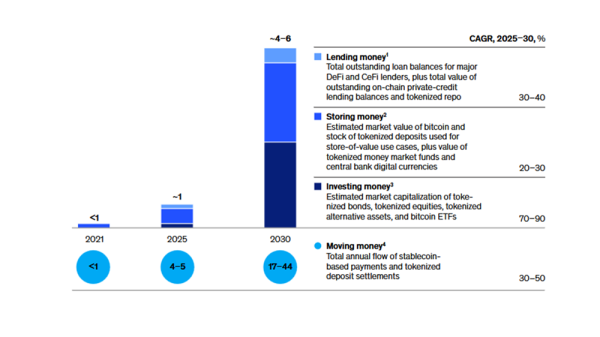
McKinsey projects trillions of dollars in growth across digital assets, with money movement emerging as one of the biggest opportunities.

The Indiana cooperative blends internal development with selective partnerships to meet members’ needs today now while positioning for what’s next.

The San Diego cooperative leans on its CUSO and the CURQL network to make fintech investments, but member needs still guide which solutions ultimately make it into the credit union’s operations.

Hands-on work with artificial intelligence tools is future-proofing staff members, giving them the confidence to adopt new technology and embrace efficiencies.
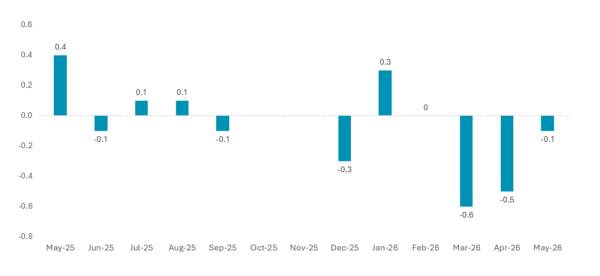
Wages briefly caught up with inflation, but rising costs have pushed them back into negative territory. Here’s what that shift means for member finances and credit union performance.

Suncoast Credit Union balances near-term needs with longer-term bets, applying discipline to timing, valuation, and fit to decide when to invest and when to walk away.

Looking for quarterly data coverage, expert analysis, lessons from leading credit unions, and more? Callahan has it covered. Comparing top-level performance and digging into the details has never been easier.
A Time For CUSOs