Credit Unions And Member Impact
Three ways credit unions are creating engaged, loyal members.

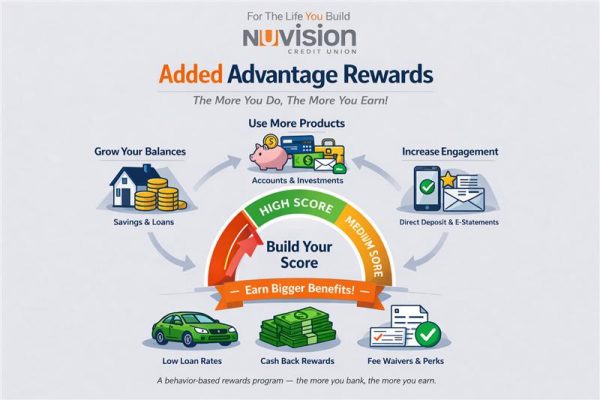
Nuvision’s Added Advantage program tracks member engagement across the credit union, then rewards relationships through better pricing and other perks.

CDFI grant funding helps the Florida cooperative offer microloans for small businesses after many banks pulled out of its market.
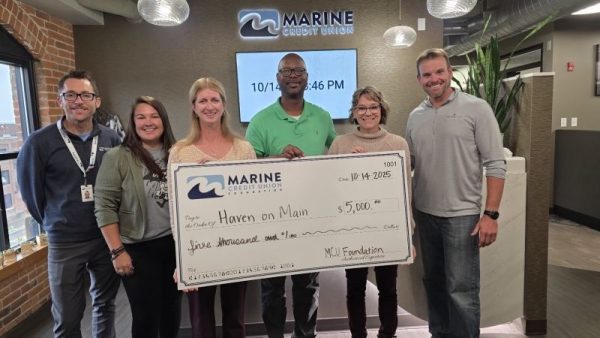
By aligning governance, leadership, and day to day operations, Marine Credit Union transformed its foundation from a parallel operation into a visible extension of the credit union brand.
Credit union and bank earnings reflect different business objectives. Those differences matter for how financial institutions serve their markets.

Whitefish Credit Union barely mentions itself in its member stories. Instead, its high-quality video storytelling spotlights people, businesses, and communities, building trust, advocacy, and impact that don’t always show up in traditional ROI metrics.

The retired Langley FCU executive looks back on a career shaped by industry change, evolving leadership responsibility, and a constant focus on serving members first.

The New Jersey-New York metro credit union shares how a wellbeing-led strategy ensures members know where to turn first when life gets difficult.

To become skilled at personalization, credit unions must stop making assumptions about what resonates with members and start leveraging data to be sure.

Check all the right boxes while tying your credit union compliance efforts to strategy.

Looking for quarterly data coverage, expert analysis, lessons from leading credit unions, and more? Callahan has it covered. Comparing top-level performance and digging into the details has never been easier.
What Has More Value: Quantitative Data Or Qualitative Conversation?