
We view member experience as a system that must be designed, measured, and continuously improved. That requires clear ownership at the executive level. My role is crucial not to control all touch points but to align the organization around an MX strategy.
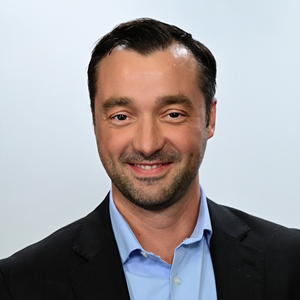
Andre Vygnanski joined OUR Credit Union ($360.4M, Royal Oak, MI) as the chief experience office in February 2024. Prior to that he was CEO at Ukrainian Selfreliance Michigan Federal Credit Union ($138.0M, Warren, MI) for more than five years and had been a relationship manager for a major bank for nearly nine years.
What has changed in member experience, what hasn’t, and how has its leadership matured at credit unions?
Andre Vygnanski: Several years ago, member experience was about service, how friendly we were, how quickly we responded, and how consistent we were across branches. The core of member experience is still about trust and human member connection, which remains our differentiator, but member experience is no longer a front-line initiative. It’s now part of the entire credit union mission.
Member experience is now shaped just as much by digital platforms, data, and automation as it is by people in branches and contact centers. Members expect one seamless relationship with us. My role has matured from overseeing service delivery to creating the entire member lifecycle. This includes onboarding, digital engagement, product adoption, and long-term relationship management.
The other part is involved in technology decisions, data strategy, and revenue generation. Experience is no longer soft function, it is directly tied to growth, retention, and member lifetime value. Our credit union treats member experience not as a department but as a system that drives the whole organization.
Two more important aspects. First, employee experience is just as important to me as MX because I must empower our employees to serve our members. Second, member expectations are shifting from experience to guidance. Members expect us to use the data they allow us to access to guide them, not just serve them.
How does your organization approach member experience, and where does dedicated MX leadership have the most impact today?
Andre Vygnanski: We view member experience as a system that must be designed, measured, and continuously improved. That requires clear ownership at the executive level. My role is crucial not to control all touch points but to align the organization around an MX strategy.
Digital branch environment becomes more critical because there are fewer touchpoints to recover from poor experiences. Our staff has an increasing amount of data specifically from digital channels about preferences, behaviors, and trends, and we need leadership to turn that into action steps so we can continue to meet growing demands of members through guidance and service.
This interview has been edited and condensed.