The Numbers That Matter Most To Credit Unions
A look at year-end performance trends reveals how earnings, affordability pressures, and asset quality are redefining the operating environment heading into 2026.
As credit unions move deeper into 2026, the earnings conversation is shifting. Elevated interest rates have boosted margins and strengthened earnings flexibility, but that advantage won’t persist indefinitely.
Ultra-low rates might feel like a boost to affordability, but they can create unintended challenges that ripple through housing markets, lenders, and the members credit unions serve.
Third quarter performance data is a reminder that credit unions perform best when conditions are hardest.
Credit unions face rising costs from compensation and services — can they balance investment with efficiency to sustain member value?
Consumers are adjusting their financing habits to the new economy, and as economic realities shift, members are rethinking how — and where — they access credit.
Six data points showcase key dynamics shaping the U.S. economy that could direct credit union decision-making in the year to come.
Delinquency and charge-offs have largely plateaued from last year. Encouragingly, many products improved compared to the previous quarter.
Quarterly performance reports from Callahan & Associates highlight important metrics from across the credit union industry. Comparing top-level performance and digging into the financial statement has never been easier.
What Is This Webinar About? Profitability systems deployed at financial institutions, whether publicly or privately owned, are designed with one primary goal: maximize the profitability of every customer to maximize the return to the owner(s) and shareholders. However, profitability systems deployed at Credit Unions focus on creating earnings to sustain the institution in support of

A look at year-end performance trends reveals how earnings, affordability pressures, and asset quality are redefining the operating environment heading into 2026.

Members are struggling with an affordability crisis that is changing how they manage debt, and new behaviors are showing up across the credit union loan portfolio.

This year’s Innovation Series returns with bigger impact and broader horizons. Since 2018, this annual showcase has spotlighted forward-thinking solutions by giving innovators a stage to share ideas, demonstrate solutions, and spark meaningful change.
Credit union asset quality didn’t collapse in 2025 — but it didn’t cooperate, either. What’s going on, and are credit unions prepared to respond in 2026?

This year’s Innovation Series returns with bigger impact and broader horizons. Since 2018, this annual showcase has spotlighted forward-thinking solutions by giving innovators a stage to share ideas, demonstrate solutions, and spark meaningful change.

This year’s Innovation Series returns with bigger impact and broader horizons. Since 2018, this annual showcase has spotlighted forward-thinking solutions by giving innovators a stage to share ideas, demonstrate solutions, and spark meaningful change.
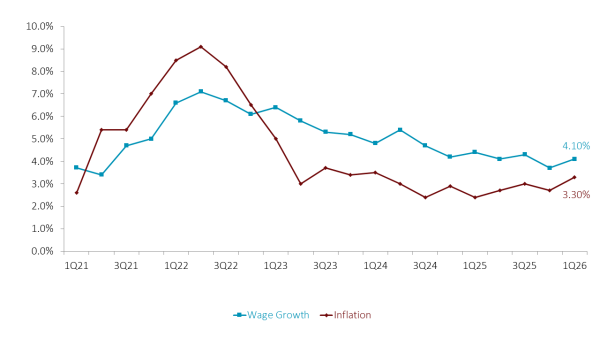
The affordability crisis extends far beyond big-ticket expenses. As the rising cost of basic necessities outpaces income growth, household budgets are under strain and long-term financial stability is increasingly at risk.
As credit unions move deeper into 2026, the earnings conversation is shifting. Elevated interest rates have boosted margins and strengthened earnings flexibility, but that advantage won’t persist indefinitely.
A radical shift is taking place in the way consumers move money and engage with their financial institution.

How the Michigan-based cooperative’s “Culture of Finance” curriculum is reframing financial education.