What’s In A Name: Chief Efficiency Officer
Kelli Wisner-Frank serves as the linchpin between finance and innovation at Community Choice Credit Union, aligning automation, smarter processes, and cost discipline to turn front-line

Your hub to learn how credit unions manage assets and liabilities, boost non-interest income, improve efficiencies and productivity, and maximize returns.
Kelli Wisner-Frank serves as the linchpin between finance and innovation at Community Choice Credit Union, aligning automation, smarter processes, and cost discipline to turn front-line

Craft breweries demonstrate how commitment to value, operational agility, and community focus can ignite growth and drive property.
Inflation, debt, and income inequality are fueling a K-shaped, post-pandemic recovery, widening the gap between different economic segments and challenging lower-income households.
The Fed should admit it plans to raise interest rates only once it sees stronger economic growth, calm global conditions, and a sustainable upward trend in inflation.
Credit unions correlate giving back and growing loans, while accounting standards and succession planning spur table talk.
Empowering and engaging potential new homeowners and honoring obligations to military borrowers get close scrutiny at opening day of NAFCU’s annual conference.
What metrics should human resource professionals use to measure employee and credit union performance?
Risk managers monitor disparate areas of the credit union. For key ratios to follow, start with the measures that correspond to the risk indicators outlined by the NCUA.
Lending is the engine that powers credit unions, and these seven ratios will help every employee understand why.
Lending and asset growth have been capturing industry headlines, but tight margins from sustained low interest rates and slowly rising operating expenses make some other benchmarks worth watching.
This week, CreditUnions.com focuses on the different metrics credit unions can use to measure and benchmark performance, whether looking to manage risk or guide loan growth.
Mario Drahi and George Soros are dinging stocks and giving bond traders a reason to dip below a key level.
Regional credit union data shows cooperatives in the western states posted impressive growth during first quarter.

How a former Sam’s Club finance leader adapted his member-first mindset to a not-for-profit credit union.

The Michigan cooperative keeps everyday payments working and members happy by using a common friction point to build brand loyalty.
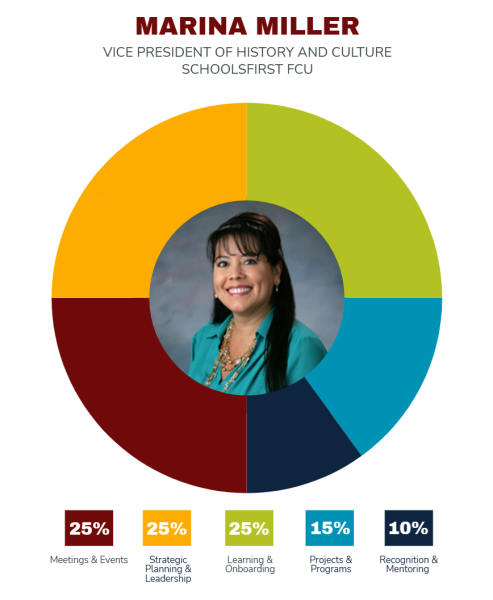
How a unique role instills SchoolsFirst FCU’s future leaders with an appreciation for its past.

Arriba Advisors co-founder Tom Russell explores how credit unions can bridge the gap between a growth mindset and their technical reality.

RKL offers insight, expertise, and experience to help fight off growing threats.

Members are anxious about their financial futures, even as credit unions remain financially strong. Institutions that respond to this moment can make 2026 a turning point.
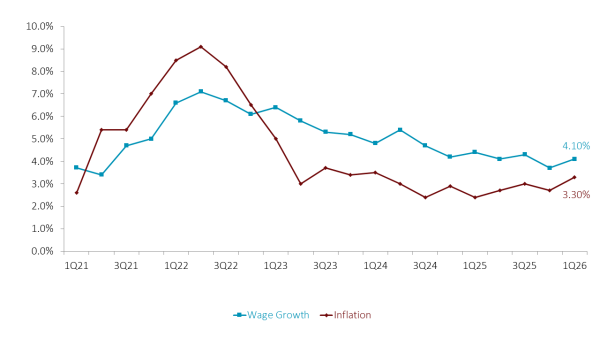
Global events are flowing directly into household budgets, reshaping how credit union members save, borrow, and cope. Such trends don’t always show up in headline data.
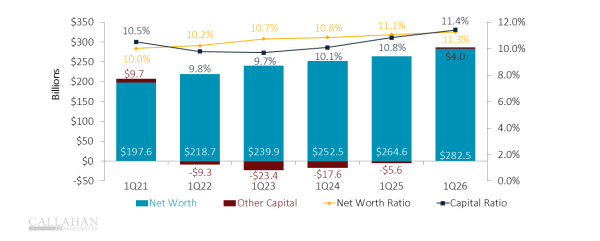
Credit unions are benefiting from a rare margin advantage as loans reprice slower than deposits. The question now is how institutions will use that strength to better serve members.
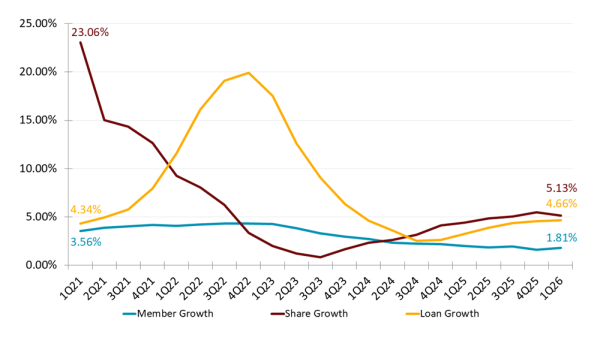
Membership growth is slowing, but financial activity is not. What does the modern financial relationship look like?
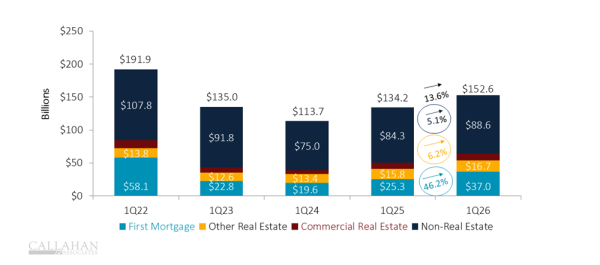
Inflation, war, and uncertain futures have reshaped members’ needs in 2026. What does credit union performance data from the first quarter of 2026 say about household budgets, inflation pressures, and more?
Settle In For Lower Rates