What’s In A Name: Chief Efficiency Officer
Kelli Wisner-Frank serves as the linchpin between finance and innovation at Community Choice Credit Union, aligning automation, smarter processes, and cost discipline to turn front-line

Your hub to learn how credit unions manage assets and liabilities, boost non-interest income, improve efficiencies and productivity, and maximize returns.
Kelli Wisner-Frank serves as the linchpin between finance and innovation at Community Choice Credit Union, aligning automation, smarter processes, and cost discipline to turn front-line
Craft breweries demonstrate how commitment to value, operational agility, and community focus can ignite growth and drive property.
Inflation, debt, and income inequality are fueling a K-shaped, post-pandemic recovery, widening the gap between different economic segments and challenging lower-income households.
Callahan & Associates surveyed 333 credit unions to learn about automated decisioning practices in the consumer lending portfolio. Read about the results in this interactive article.
Look beyond the headlines to discover the driving forces behind market trends and consider how they impact a credit union’s investment portfolio.
Bob Falk joined Purdue Federal Credit Union ($1.8B, West Lafayette, IN) in August 2002 as the vice president of lending at what was then Purdue Employees FCU. He took the helm in 2008 and since then, the cooperative has rebranded, tripled in assets, doubled in staff size, and grown membership from 57,000 to more than
NET LIQUIDITY CHANGE FOR U.S. CREDIT UNIONS | DATA AS OF 06.30.22 © Callahan & Associates | CreditUnions.com The federal government took a variety of steps to provide economic relief during the first year of the pandemic, including distributing trillions of dollars directly to consumers. As a result, credit union shares grew at record rates
Amid market volatility and ongoing loan demand, cash balances decreased nearly $66 billion. What else happened in the investment portfolio?
Macroeconomic shifts drove changes in member demand, which impacted top-level credit union metrics.
Learn about credit union performance trends gathered from second quarter data.
Wage growth for full-time equivalent employees has stayed well above the Consumer Price Index for years, but surging inflation has turned the tables, resulting in a nearly six-point gap.
A new shared location with a popular cupcake shop has reversed the credit union’s fortunes in San Ramon, CA, where one branch is now serving members better than two were previously.
Retrofitted locations featuring full-service ITMs and biometric authentication helped First Alliance safely serve members during the pandemic and into today.

The Michigan cooperative keeps everyday payments working and members happy by using a common friction point to build brand loyalty.

How a former Sam’s Club finance leader adapted his member-first mindset to a not-for-profit credit union.
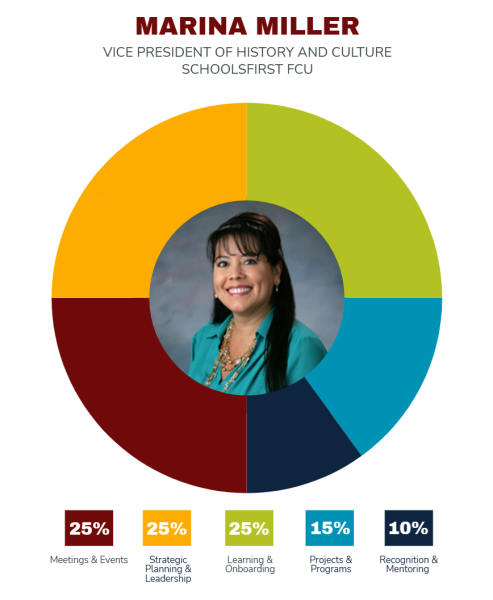
How a unique role instills SchoolsFirst FCU’s future leaders with an appreciation for its past.

Arriba Advisors co-founder Tom Russell explores how credit unions can bridge the gap between a growth mindset and their technical reality.

RKL offers insight, expertise, and experience to help fight off growing threats.

Members are anxious about their financial futures, even as credit unions remain financially strong. Institutions that respond to this moment can make 2026 a turning point.
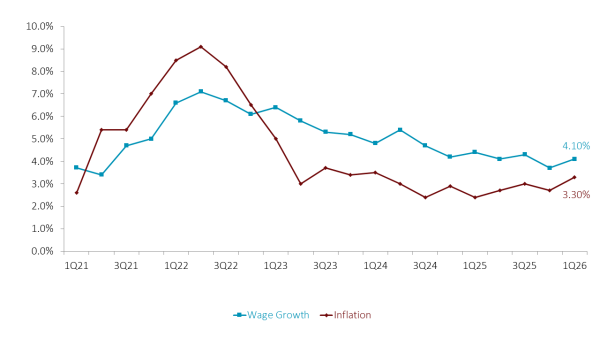
Global events are flowing directly into household budgets, reshaping how credit union members save, borrow, and cope. Such trends don’t always show up in headline data.
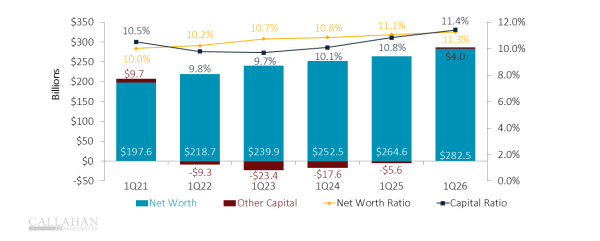
Credit unions are benefiting from a rare margin advantage as loans reprice slower than deposits. The question now is how institutions will use that strength to better serve members.
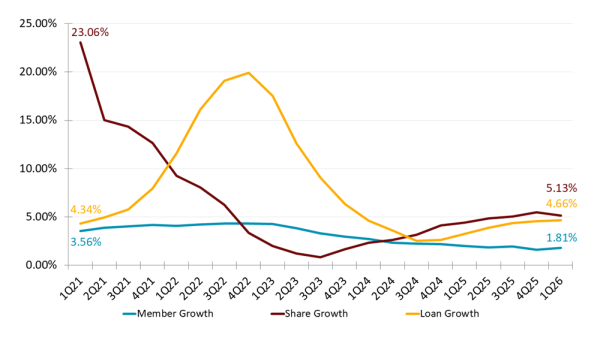
Membership growth is slowing, but financial activity is not. What does the modern financial relationship look like?
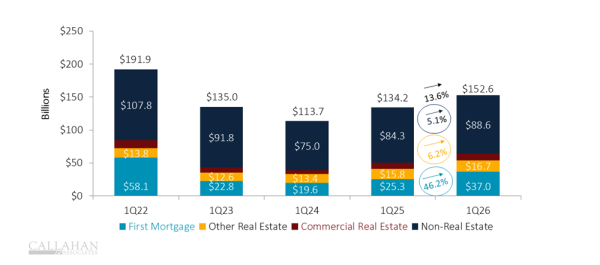
Inflation, war, and uncertain futures have reshaped members’ needs in 2026. What does credit union performance data from the first quarter of 2026 say about household budgets, inflation pressures, and more?