Community Financial Flips The Script On Junk Fees
The Michigan credit union has dropped punitive overdraft fees in favor of a checking account feature that helps members save money when their spending outstrips
Your hub to learn how credit unions manage assets and liabilities, boost non-interest income, improve efficiencies and productivity, and maximize returns.
The Michigan credit union has dropped punitive overdraft fees in favor of a checking account feature that helps members save money when their spending outstrips
Credit unions are tapping versatile leaders from diverse backgrounds to take advantage of fresh insights and achieve strategic goals.
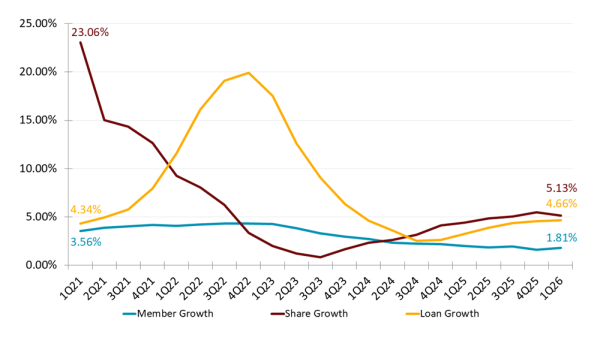
Liquidity has been front of mind for credit union leaders in recent quarters as loan and share growth battle it out on the balance sheet.
From access to education and beyond, credit unions are putting members first in a way that’s not just about banking – it’s about financial empowerment.
Come learn from Ari Schlusselberg and Rich Kao, two experts in banking and credit, as they explore how credit unions can add yield without taking on too much risk.
Consumers are adjusting their financing habits to the new economy, and as economic realities shift, members are rethinking how — and where — they access credit.
Six data points showcase key dynamics shaping the U.S. economy that could direct credit union decision-making in the year to come.
Delinquency and charge-offs have largely plateaued from last year. Encouragingly, many products improved compared to the previous quarter.
Members are changing the way they deposit their money, saving more and opting for lower-yielding, more liquid account types.
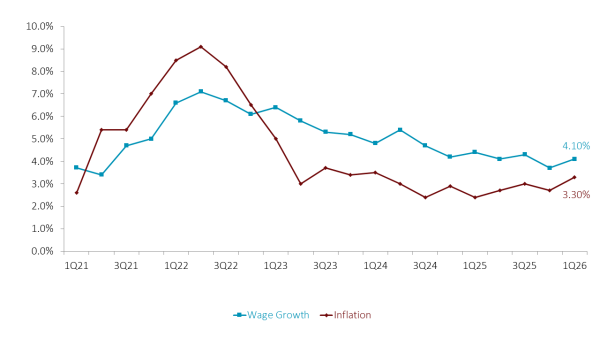
Long-rumored economic headwinds came to fruition in the second quarter of 2025. The job market stalled and tariff-driven inflation creeped up, creating a double whammy for Americans and credit union members. Now as much as ever, credit unions must strive to make a difference in the lives of everyday Americans. Understanding the credit union landscape
Quarterly performance reports from Callahan & Associates highlight important metrics from across the credit union industry. Comparing top-level performance and digging into the financial statement has never been easier.
The growing risk of stagflation puts the Federal Reserve in a difficult position and raises the stakes on potential consequences for member finances, investment portfolios, and margin management.
Look beyond the headlines to better understand what is driving current market trends and how they could impact credit union investment portfolios.

A cross-functional team comprising nearly 20% of staff helped the Maryland-based credit union manage the crisis while staying focused on helping members.

Four executives share how they are skilling up and soothing nerves as they navigate the AI revolution in real time.

The future of leadership starts now. This week, CreditUnions.com is diving into the strategies shaping tomorrow’s talent: from a bold overhaul of succession planning to how credit unions are tackling the AI skills gap.

Assessing skills gaps among leaders and providing time to complete training are major hurdles today, but strong leadership development strategies are essential in building a future-ready credit union.

A report from Quantum Governance reveals a gap between board recruitment priorities and the most valuable skills in governance.

Fair, transparent succession helps credit unions strengthen board effectiveness, align leadership with strategy, and safeguard member value.

The California cooperative moves beyond the 9-box to identify skills, gaps, and opportunities to prepare leaders for what’s next.

The right tools and consistent approach make succession planning simpler for credit union leaders and board members.

CreditUnions.com revisits three credit unions to learn how their strategies have evolved since their original spotlight and see what’s in store for the future.

A national leader in urban agriculture shows how front-line insights drive real local impact — and why credit union branches are perfectly positioned to do the same.
Markets Responded Well To Reduced Trade Fears In May