How AI Is Shaping HR For The Next Era
Four executives share how they are skilling up and soothing nerves as they navigate the AI revolution in real time.

Our HR & Training page is your first stop for credit union tactics in training, employee incentives, succession planning, executive compensation, and more.
Four executives share how they are skilling up and soothing nerves as they navigate the AI revolution in real time.
Discover how two employee awards honor the Arizona credit union’s commitment to a team-first culture while boosting employee engagement and workplace culture.
The California cooperative turned a call center crisis into a success story — starting with cutting the average wait time from 45 minutes to three.
With the Fed poised to continue cutting interest rates, the near-term outlook for the credit union earnings model is much more promising.
Leaders share how grant funding has supported members on the fringes of financial ruin while underpinning credit union growth.
Recruitment and retention, emotional loyalty, and more were key topics during the second day of the Austin event.
Recent data shows rising levels of employee stress, but people are becoming more comfortable asking for help dealing with those worries.
From yoga to YouTube, three credit unions share insight on what’s working, or not, in their shops.
Credit Union 1 is cultivating a people-first approach through a quarterly program that highlights different strategic goals and ties employee behavior to organization success.
A job-shadowing program at the Kansas City-area credit union has boosted internal promotion rates and helped less-tenured employees advance their careers.
Gallup data reveals only 20% of employees feel strongly connected to their workplace culture, with minimal differences across remote, hybrid, and on-site settings. Learn why this matters for credit unions.
HR leaders offer insights into their job titles, the impact they have on their credit unions, and how their roles have evolved as employee needs evolve.
The president and CEO of the Defense Credit Union Council discusses similarities between the military and credit unions, the benefits of the “OODA loop,” and more.

Credit unions are making decisions about where to build, invest, and partner as they balance today’s priorities with tomorrow’s opportunities.

Industry leaders share how they approach fintech investment, balancing immediate needs with longer-term bets while keeping member value and mission at the center.

Credit unions that enable seamless movement between fiat and digital assets position themselves as a trusted on- and off-ramp.

The credit unions that win the next generation will be the ones that showed up early, when young members were forming habits and deciding whom to trust.

The challenge is no longer whether to adopt AI, but how to adopt it responsibly with the right governance, the right partners, and the right balance between technology and human oversight.
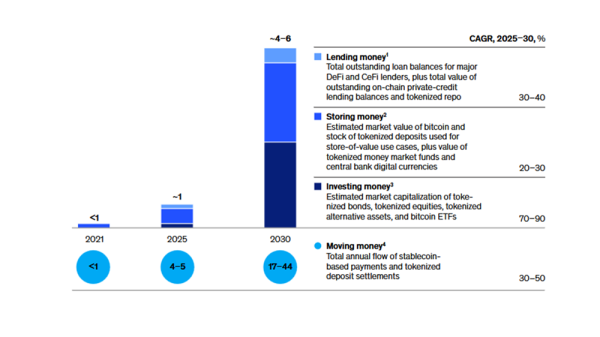
McKinsey projects trillions of dollars in growth across digital assets, with money movement emerging as one of the biggest opportunities.

The Indiana cooperative blends internal development with selective partnerships to meet members’ needs today now while positioning for what’s next.

The San Diego cooperative leans on its CUSO and the CURQL network to make fintech investments, but member needs still guide which solutions ultimately make it into the credit union’s operations.

Hands-on work with artificial intelligence tools is future-proofing staff members, giving them the confidence to adopt new technology and embrace efficiencies.
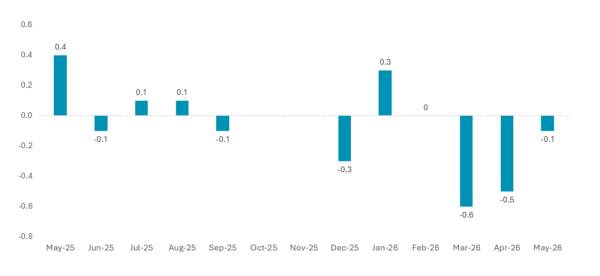
Wages briefly caught up with inflation, but rising costs have pushed them back into negative territory. Here’s what that shift means for member finances and credit union performance.