How AI Is Shaping HR For The Next Era
Four executives share how they are skilling up and soothing nerves as they navigate the AI revolution in real time.

Our HR & Training page is your first stop for credit union tactics in training, employee incentives, succession planning, executive compensation, and more.
Four executives share how they are skilling up and soothing nerves as they navigate the AI revolution in real time.
Discover how two employee awards honor the Arizona credit union’s commitment to a team-first culture while boosting employee engagement and workplace culture.
The California cooperative turned a call center crisis into a success story — starting with cutting the average wait time from 45 minutes to three.
NAFCU conference attendees hear of hope for change in Washington, how size and gender matters in executive pay, and that risk management includes reputations.
Credit unions correlate giving back and growing loans, while accounting standards and succession planning spur table talk.
What metrics should human resource professionals use to measure employee and credit union performance?
This week, CreditUnions.com focuses on the different metrics credit unions can use to measure and benchmark performance, whether looking to manage risk or guide loan growth.
Results from the Callahan & Associates Training and Development Survey, completed by HR managers at credit unions nationwide, reveal how programs have adapted to changes in people, technology, and the industry.
To retain possibly restless new hires, credit unions are investing in ideation programs, career development, and community service.
The North Carolina credit union closes the gender gap with transparency and a market-based salary structure.
Michigan State University FCU’s new Financial Innovation and Education Center promises to introduce a new generation to the credit union industry.
This week, CreditUnions.com looks at hiring and training strategies from credit unions across the industry.
This week, CreditUnions.com features case studies of credit unions tackling one of five aspects of a strong SEG relationship.

Credit unions are making decisions about where to build, invest, and partner as they balance today’s priorities with tomorrow’s opportunities.

Industry leaders share how they approach fintech investment, balancing immediate needs with longer-term bets while keeping member value and mission at the center.

Credit unions that enable seamless movement between fiat and digital assets position themselves as a trusted on- and off-ramp.

The credit unions that win the next generation will be the ones that showed up early, when young members were forming habits and deciding whom to trust.

The challenge is no longer whether to adopt AI, but how to adopt it responsibly with the right governance, the right partners, and the right balance between technology and human oversight.
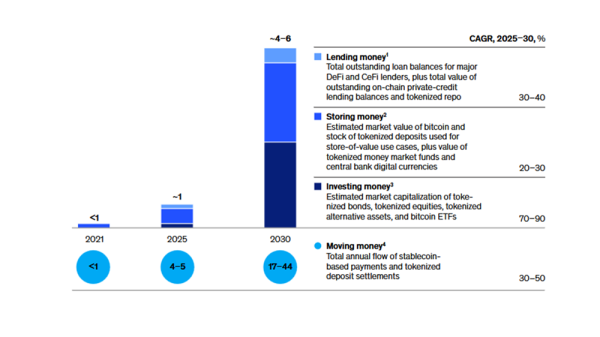
McKinsey projects trillions of dollars in growth across digital assets, with money movement emerging as one of the biggest opportunities.

The Indiana cooperative blends internal development with selective partnerships to meet members’ needs today now while positioning for what’s next.

The San Diego cooperative leans on its CUSO and the CURQL network to make fintech investments, but member needs still guide which solutions ultimately make it into the credit union’s operations.

Hands-on work with artificial intelligence tools is future-proofing staff members, giving them the confidence to adopt new technology and embrace efficiencies.
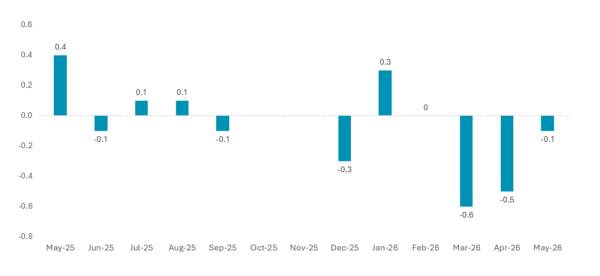
Wages briefly caught up with inflation, but rising costs have pushed them back into negative territory. Here’s what that shift means for member finances and credit union performance.