Affordable Housing Isn’t About Business. It’s About People.
NOLA Firemen’s FCU helps members qualify for a mortgage in a state where poverty is high and insurance premiums are keeping many would-be borrowers out

Our Lending page is the spot for credit union strategies on product development, operations, and pricing.
NOLA Firemen’s FCU helps members qualify for a mortgage in a state where poverty is high and insurance premiums are keeping many would-be borrowers out

Blaze, Consumers, and Interra credit unions pioneer a new path to liquidity under the guidance of Alloya Corporate.
From funerals to education to gender-affirming care and beyond, credit unions are punching up the personal loan.
TruStage shares how credit unions can rethink payment protection by addressing the lending recall gap in today’s high‑pressure lending environment. As member interest in protection products continues to rise, the discussion highlights why single, late‑stage offers often fail to stick—and how weak lending recall can lead to missed moments and increased risk for both members
CDFI grant funding helps the Florida cooperative offer microloans for small businesses after many banks pulled out of its market.
Lower prices and better amenities are making pre-built homes an appealing option for credit unions looking to bolster their balance sheet and borrowers stymied by the affordable housing crisis.
A look at year-end performance trends reveals how earnings, affordability pressures, and asset quality are redefining the operating environment heading into 2026.
Members are struggling with an affordability crisis that is changing how they manage debt, and new behaviors are showing up across the credit union loan portfolio.
Credit union asset quality didn’t collapse in 2025 — but it didn’t cooperate, either. What’s going on, and are credit unions prepared to respond in 2026?
This year’s Innovation Series returns with bigger impact and broader horizons. Since 2018, this annual showcase has spotlighted forward-thinking solutions by giving innovators a stage to share ideas, demonstrate solutions, and spark meaningful change.
As many credit unions pull back from indirect lending to manage the balance sheet, Erie FCU is leaning in. By elevating dealer engagement to a dedicated role, the cooperative is investing more resources in a business line others are rethinking.
As the Federal Reserve cuts interest rates, credit unions are adapting in tandem, balancing membership needs with asset quality. This balance will be one of many topics discussed during Callahan’s quarterly Trendwatch webinar.

Home equity lending is a winning option for credit unions in today’s mortgage environment. Learn how three different shops meet members’ needs.

After a prolonged slowdown, signs of life are returning to mortgage lending. Growth is uneven, with first-time buyers and shifting rate dynamics driving activity in select segments.

The Michigan cooperative keeps everyday payments working and members happy by using a common friction point to build brand loyalty.

How a former Sam’s Club finance leader adapted his member-first mindset to a not-for-profit credit union.
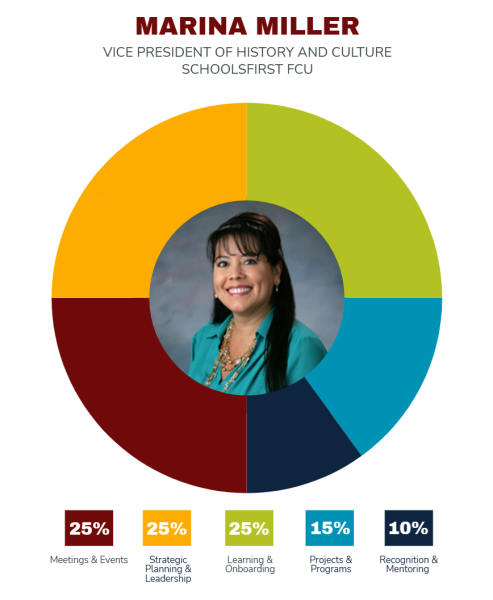
How a unique role instills SchoolsFirst FCU’s future leaders with an appreciation for its past.

Arriba Advisors co-founder Tom Russell explores how credit unions can bridge the gap between a growth mindset and their technical reality.
RKL offers insight, expertise, and experience to help fight off growing threats.

Members are anxious about their financial futures, even as credit unions remain financially strong. Institutions that respond to this moment can make 2026 a turning point.
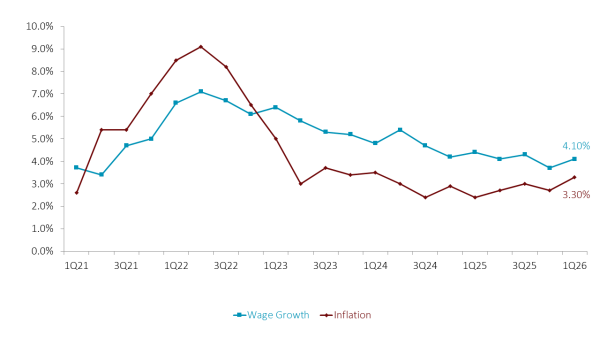
Global events are flowing directly into household budgets, reshaping how credit union members save, borrow, and cope. Such trends don’t always show up in headline data.
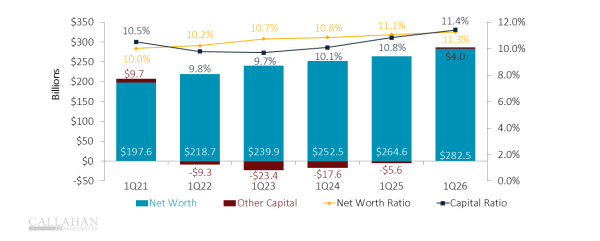
Credit unions are benefiting from a rare margin advantage as loans reprice slower than deposits. The question now is how institutions will use that strength to better serve members.