How One Credit Union Is Combatting The Lock-In Effect
Wings Financial unlocked opportunity in its mortgage portfolio by drawing in members with a desirable rate and a few other perks.


New data from Gallup shows half of all employees who work for companies that pay for AI tools use them. Credit unions are building their own momentum.
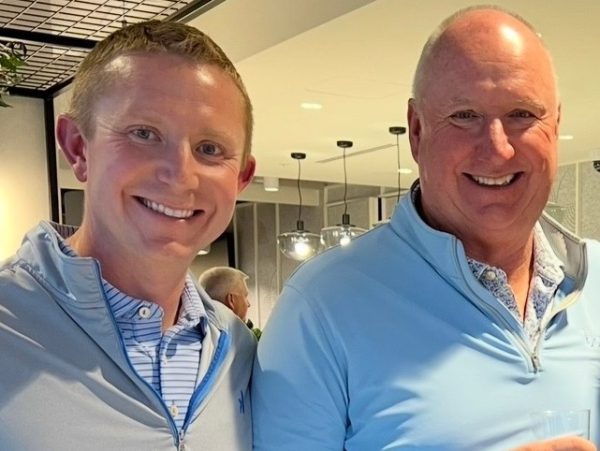
For Mike and Dave Valentine, the family business just happens to be credit unions. The father-son duo talk leadership styles, cooperative values, and the lessons they’ve learned from each other along the way.

People who are truly financially thriving have both means and a sense of security that comes from confidence about the future. Building that kind of emotional engagement requires a deliberate design of everyday interactions.

Look beyond the headlines to better understand what is driving current market trends and how they could impact credit union investment portfolios.

A rethink of closing costs, rate relief, and employer partnerships helped 7 17 Credit Union build an affordable housing mortgage program that works.

Where is mortgage growth coming from right now? This week, CreditUnions.com covers a mix of home equity campaigns, targeted affordability programs, and niche lending strategies that are bringing borrowers back into the market.

Home equity lending is a winning option for credit unions in today’s mortgage environment. Learn how three different shops meet members’ needs.

Manufactured home loans can provide members access to affordable housing, including those in rural areas. Two credit unions share how they approach the niche product.

After a prolonged slowdown, signs of life are returning to mortgage lending. Growth is uneven, with first-time buyers and shifting rate dynamics driving activity in select segments.

The Michigan cooperative keeps everyday payments working and members happy by using a common friction point to build brand loyalty.