What’s In A Name: Chief Efficiency Officer
Kelli Wisner-Frank serves as the linchpin between finance and innovation at Community Choice Credit Union, aligning automation, smarter processes, and cost discipline to turn front-line

Your hub to learn how credit unions manage assets and liabilities, boost non-interest income, improve efficiencies and productivity, and maximize returns.
Kelli Wisner-Frank serves as the linchpin between finance and innovation at Community Choice Credit Union, aligning automation, smarter processes, and cost discipline to turn front-line
Craft breweries demonstrate how commitment to value, operational agility, and community focus can ignite growth and drive property.
Inflation, debt, and income inequality are fueling a K-shaped, post-pandemic recovery, widening the gap between different economic segments and challenging lower-income households.
Against the predictions of traders, the UK voted yesterday to leave the European Union.
The British are at their polling stations, and the Brexit vote is on.
How Oregon Community’s data warehouse is shaping marketing and saving the credit union time and money.
The Business Analytics Innovation Team at Member One FCU tasks six employees with digging into data to find areas of opportunity.
Analyzing various data sets can unlock valuable insights to the wants, needs, and expectations of an institution’s membership. But who owns business analytics at credit unions across the nation?
The Fed should admit it plans to raise interest rates only once it sees stronger economic growth, calm global conditions, and a sustainable upward trend in inflation.
Credit unions correlate giving back and growing loans, while accounting standards and succession planning spur table talk.
Empowering and engaging potential new homeowners and honoring obligations to military borrowers get close scrutiny at opening day of NAFCU’s annual conference.
What metrics should human resource professionals use to measure employee and credit union performance?
Risk managers monitor disparate areas of the credit union. For key ratios to follow, start with the measures that correspond to the risk indicators outlined by the NCUA.

Credit unions are making decisions about where to build, invest, and partner as they balance today’s priorities with tomorrow’s opportunities.

Industry leaders share how they approach fintech investment, balancing immediate needs with longer-term bets while keeping member value and mission at the center.

Credit unions that enable seamless movement between fiat and digital assets position themselves as a trusted on- and off-ramp.

The credit unions that win the next generation will be the ones that showed up early, when young members were forming habits and deciding whom to trust.

The challenge is no longer whether to adopt AI, but how to adopt it responsibly with the right governance, the right partners, and the right balance between technology and human oversight.
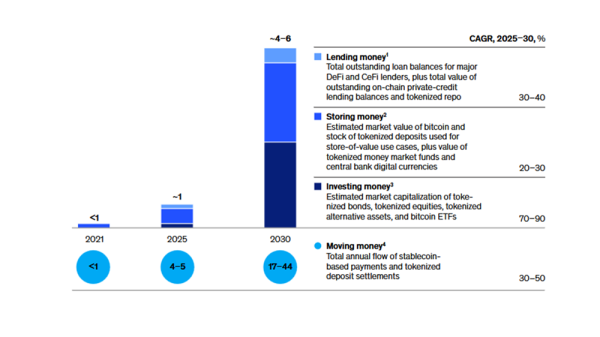
McKinsey projects trillions of dollars in growth across digital assets, with money movement emerging as one of the biggest opportunities.

The Indiana cooperative blends internal development with selective partnerships to meet members’ needs today now while positioning for what’s next.

The San Diego cooperative leans on its CUSO and the CURQL network to make fintech investments, but member needs still guide which solutions ultimately make it into the credit union’s operations.

Hands-on work with artificial intelligence tools is future-proofing staff members, giving them the confidence to adopt new technology and embrace efficiencies.
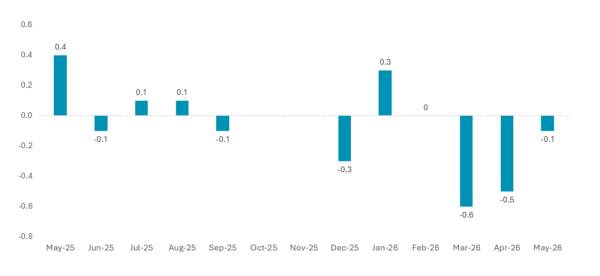
Wages briefly caught up with inflation, but rising costs have pushed them back into negative territory. Here’s what that shift means for member finances and credit union performance.
Brexit Bombshell