What’s In A Name: Chief Efficiency Officer
Kelli Wisner-Frank serves as the linchpin between finance and innovation at Community Choice Credit Union, aligning automation, smarter processes, and cost discipline to turn front-line

Your hub to learn how credit unions manage assets and liabilities, boost non-interest income, improve efficiencies and productivity, and maximize returns.
Kelli Wisner-Frank serves as the linchpin between finance and innovation at Community Choice Credit Union, aligning automation, smarter processes, and cost discipline to turn front-line

Craft breweries demonstrate how commitment to value, operational agility, and community focus can ignite growth and drive property.
Inflation, debt, and income inequality are fueling a K-shaped, post-pandemic recovery, widening the gap between different economic segments and challenging lower-income households.
This must-attend quarterly event for credit union leaders covers performance trends, industry success stories, and areas of opportunity.
An internal group tasked with reducing expenses and maximizing efficiency at TruWest Credit Union finds bright ideas in employee suggestions.
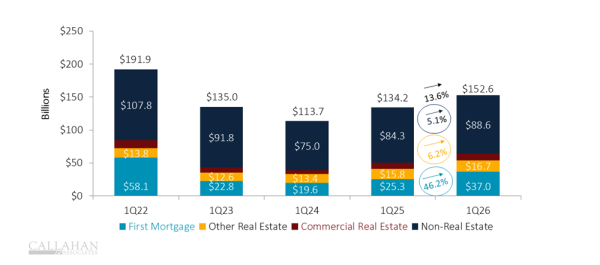
Loan purchases and participations reached record levels at U.S. credit unions. Some credit unions sold loans to generate revenue or reduce risk; others purchased loans to boost ratios or yields. Learn more about what happened throughout the industry.
The April Credit Union Power BI User Group — featuring Kelly Gage, senior business intelligence analyst at Red Canoe Credit Union — tackled how to avoid mistakes and make the most of business intelligence projects and reporting processes.
Credit union earnings rebounded toward the end of the year as industry players find a way to adapt their business models to a changing economic landscape.
Alan Hanson, attorney with Gleam Law and Pat Duncan, vice president of compliance, Community First Credit Union, discuss the trends and risks in credit unions providing loans to cannabis businesses.
Health and economic indicators are promising, but local, national, and regulatory challenges persist.
This monthly commentary looks beyond the headlines to uncover the driving forces behind market trends and consider how they could impact a credit union’s investment portfolio.
Randolph-Brooks FCU adopted an agency model for its marketing department more than a decade ago and has lessons to share for credit unions of all sizes.
The pandemic has changed the way Americans use cards. That behavior might never be the same.

The Michigan cooperative keeps everyday payments working and members happy by using a common friction point to build brand loyalty.

How a former Sam’s Club finance leader adapted his member-first mindset to a not-for-profit credit union.
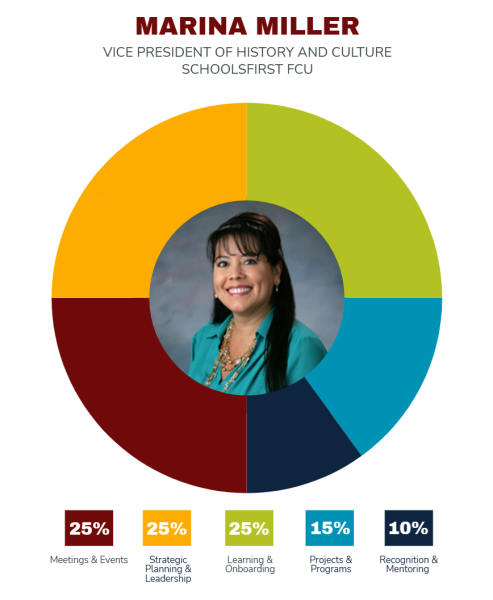
How a unique role instills SchoolsFirst FCU’s future leaders with an appreciation for its past.

Arriba Advisors co-founder Tom Russell explores how credit unions can bridge the gap between a growth mindset and their technical reality.

RKL offers insight, expertise, and experience to help fight off growing threats.

Members are anxious about their financial futures, even as credit unions remain financially strong. Institutions that respond to this moment can make 2026 a turning point.
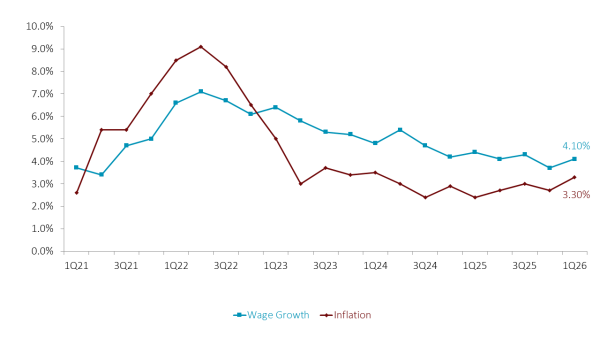
Global events are flowing directly into household budgets, reshaping how credit union members save, borrow, and cope. Such trends don’t always show up in headline data.
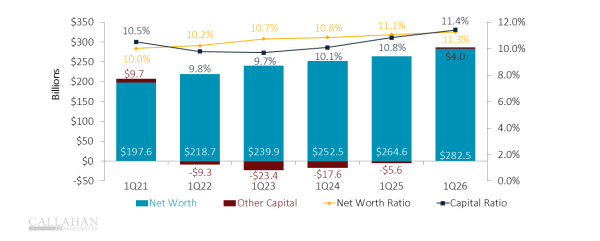
Credit unions are benefiting from a rare margin advantage as loans reprice slower than deposits. The question now is how institutions will use that strength to better serve members.
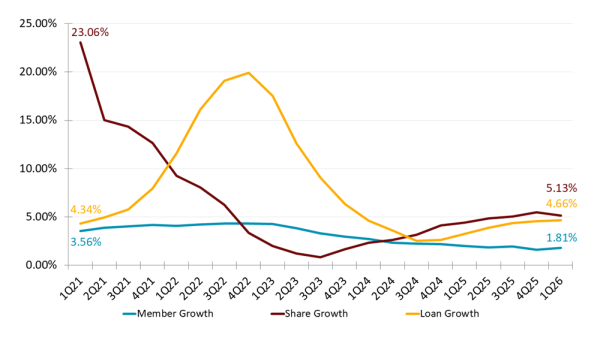
Membership growth is slowing, but financial activity is not. What does the modern financial relationship look like?
Inflation, war, and uncertain futures have reshaped members’ needs in 2026. What does credit union performance data from the first quarter of 2026 say about household budgets, inflation pressures, and more?
Community And Member Investments Support Resiliency For The Recovery Ahead