Will Ultra-Low Interest Rates Improve Housing Affordability?
Ultra-low rates might feel like a boost to affordability, but they can create unintended challenges that ripple through housing markets, lenders, and the members credit unions serve.





Arriba Advisors co-founder Tom Russell explores how credit unions can bridge the gap between a growth mindset and their technical reality.

RKL offers insight, expertise, and experience to help fight off growing threats.

Members are anxious about their financial futures, even as credit unions remain financially strong. Institutions that respond to this moment can make 2026 a turning point.
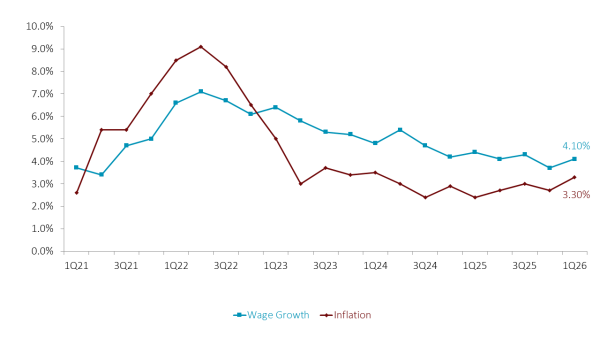
Global events are flowing directly into household budgets, reshaping how credit union members save, borrow, and cope. Such trends don’t always show up in headline data.
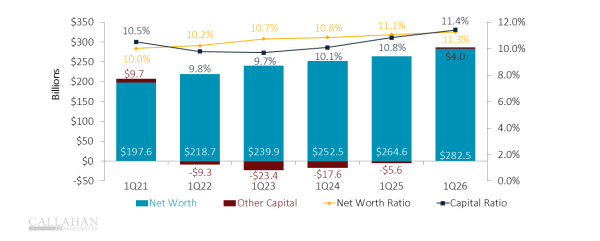
Credit unions are benefiting from a rare margin advantage as loans reprice slower than deposits. The question now is how institutions will use that strength to better serve members.
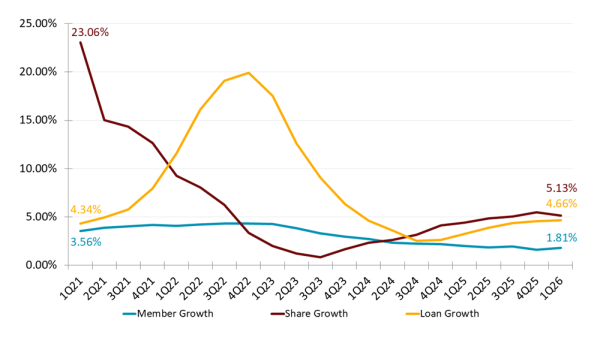
Membership growth is slowing, but financial activity is not. What does the modern financial relationship look like?
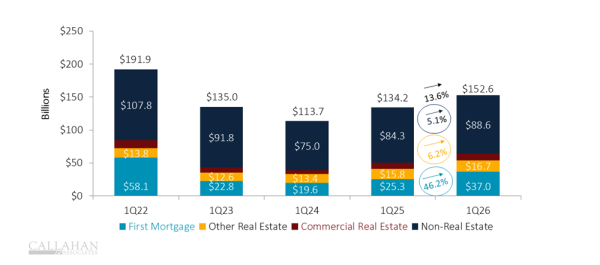
Inflation, war, and uncertain futures have reshaped members’ needs in 2026. What does credit union performance data from the first quarter of 2026 say about household budgets, inflation pressures, and more?

Look beyond the headlines to better understand what is driving current market trends and how they could impact credit union investment portfolios.

Today’s job market is shaped by skills based expectations, with employers slowing entry level hiring and placing greater emphasis on applied experience.

St. Cloud Financial is betting on digital assets to protect member relationships and future relevance. It’s picked up lessons for other leaders along the way.
Forward Guidance Less Clear After October Rate Cut