Impact Strategies From September 2022
A look inside strategies and programs that are helping credit unions of all sizes make a difference in the communities they serve.


Credit unions deserve a technology provider who sees them as humans first.
The financial atmosphere is changing. A decline in in-person transactions is leaving credit union staffers with fewer face-to-face opportunities to talk with members about financial planning and wellness. And the rise of non-traditional resources for investment and savings advice tempting resources that young people are turning to more often, according to a recent national survey
Abound Credit Union’s in-house curriculum meets state requirements while engaging and entertaining young students.
Bob Falk joined Purdue Federal Credit Union ($1.8B, West Lafayette, IN) in August 2002 as the vice president of lending at what was then Purdue Employees FCU. He took the helm in 2008 and since then, the cooperative has rebranded, tripled in assets, doubled in staff size, and grown membership from 57,000 to more than
Methodologies to manage change abound, but these two credit unions have best practices and lessons learned that can apply to everyone.
CCC’s Total-Loss Care Lienholder Portal paves the way for members to get back on the road while you keep the loan.
NET LIQUIDITY CHANGE FOR U.S. CREDIT UNIONS | DATA AS OF 06.30.22 © Callahan & Associates | CreditUnions.com The federal government took a variety of steps to provide economic relief during the first year of the pandemic, including distributing trillions of dollars directly to consumers. As a result, credit union shares grew at record rates
From out-of-state recruitment to hiring bonuses and flexible scheduling, what was once seen as the bottom of the totem pole is now viewed as a prime position for many credit unions.
Many credit unions struggle to deliver the online experience members want. It’s time to use technology in new ways.

Credit unions are making decisions about where to build, invest, and partner as they balance today’s priorities with tomorrow’s opportunities.

Industry leaders share how they approach fintech investment, balancing immediate needs with longer-term bets while keeping member value and mission at the center.

Credit unions that enable seamless movement between fiat and digital assets position themselves as a trusted on- and off-ramp.

The credit unions that win the next generation will be the ones that showed up early, when young members were forming habits and deciding whom to trust.

The challenge is no longer whether to adopt AI, but how to adopt it responsibly with the right governance, the right partners, and the right balance between technology and human oversight.
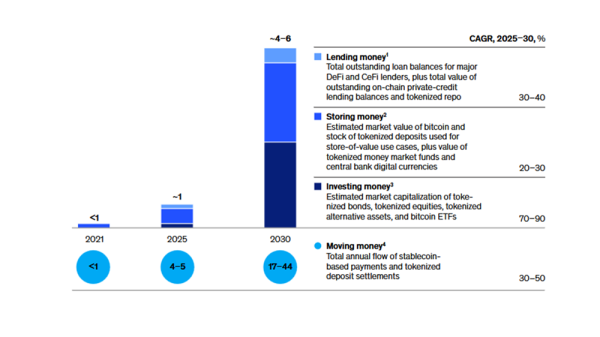
McKinsey projects trillions of dollars in growth across digital assets, with money movement emerging as one of the biggest opportunities.

The Indiana cooperative blends internal development with selective partnerships to meet members’ needs today now while positioning for what’s next.

The San Diego cooperative leans on its CUSO and the CURQL network to make fintech investments, but member needs still guide which solutions ultimately make it into the credit union’s operations.

Hands-on work with artificial intelligence tools is future-proofing staff members, giving them the confidence to adopt new technology and embrace efficiencies.
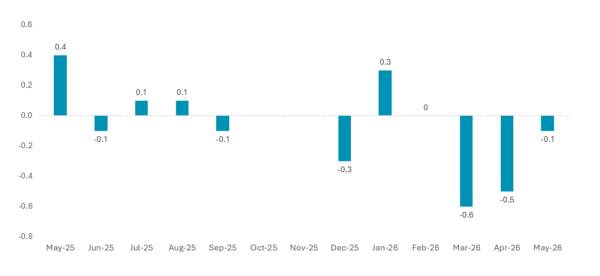
Wages briefly caught up with inflation, but rising costs have pushed them back into negative territory. Here’s what that shift means for member finances and credit union performance.