Leaders Of The Pack: The Top 20 Cores For Credit Unions
Explore the subtle shifts redefining the credit union core processing space and how these movements shape growth, innovation, and member experience.

Our Technology page is the best place for news on core processing, conversions, fintech partnerships, machine learning, AI, next-gen banking, and more.
Explore the subtle shifts redefining the credit union core processing space and how these movements shape growth, innovation, and member experience.

From bonuses to candy budgets, Credit Union 1 and Purdue FCU offer tips to successfully manage one of financial services’ biggest hurdles.
The Wisconsin cooperative has implemented auto-decisioning for consumer lending and gives the technology high marks for its impact on member satisfaction, employee engagement, and the
St. Cloud Financial is betting on digital assets to protect member relationships and future relevance. It’s picked up lessons for other leaders along the way.
The credit union migrated its on-premises contact center and implemented workforce management software to maximize efficiency, minimize costs, and provide a better member experience.
Youth banking programs, in-school branches, and a warm handoff to adulthood builds habits and relationships that last well beyond graduation.
The Illinois credit union uses culture, “wow” moments, and data to drive member loyalty.
The annual conference offered insights on why service organizations remain a strategic asset for credit unions and how collaboration, AI, and advocacy are shaping what comes next.
Studies show credit card debt and Buy Now, Pay Later usage continue to rise. Bigger increases could be around the corner.
The credit union completed a three acre headquarters campus in 2021 that offers 52% more space while consuming a fraction of the resources. It’s a model of how cooperatives can lead on sustainability without sacrificing performance.
Credit union leaders want to know where peers are placing their focus. These six priorities reflect how leadership teams are responding to change with intention and clarity.
Harvard FCU combines digital estate planning with human financial guidance to support positive, proactive wealth transfer across generations.
At Service Credit Union, Dave Widener connects data, strategy, and culture to shape better outcomes for members.

Arriba Advisors co-founder Tom Russell explores how credit unions can bridge the gap between a growth mindset and their technical reality.

RKL offers insight, expertise, and experience to help fight off growing threats.

Members are anxious about their financial futures, even as credit unions remain financially strong. Institutions that respond to this moment can make 2026 a turning point.
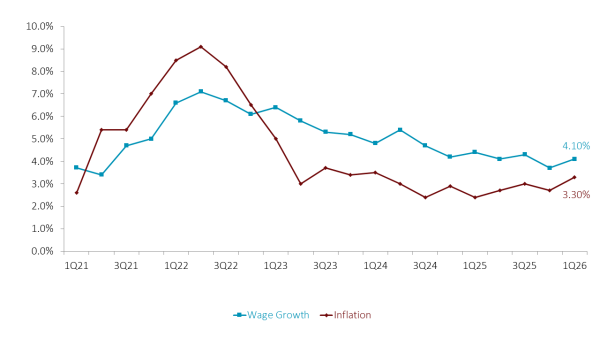
Global events are flowing directly into household budgets, reshaping how credit union members save, borrow, and cope. Such trends don’t always show up in headline data.
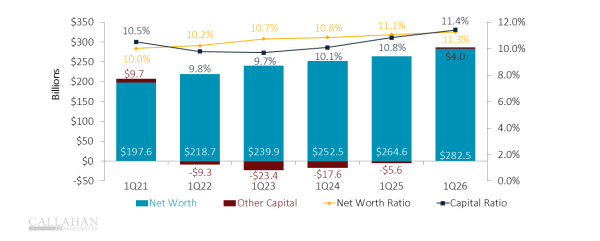
Credit unions are benefiting from a rare margin advantage as loans reprice slower than deposits. The question now is how institutions will use that strength to better serve members.
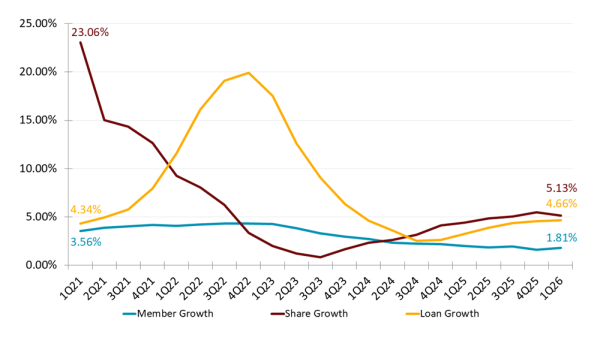
Membership growth is slowing, but financial activity is not. What does the modern financial relationship look like?
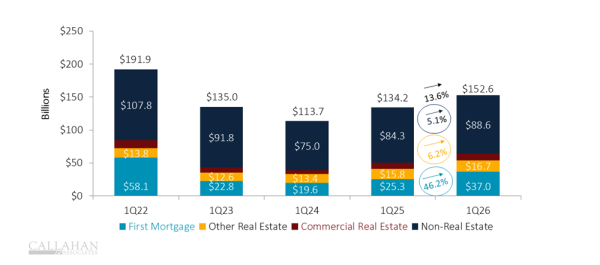
Inflation, war, and uncertain futures have reshaped members’ needs in 2026. What does credit union performance data from the first quarter of 2026 say about household budgets, inflation pressures, and more?

Look beyond the headlines to better understand what is driving current market trends and how they could impact credit union investment portfolios.

Today’s job market is shaped by skills based expectations, with employers slowing entry level hiring and placing greater emphasis on applied experience.

St. Cloud Financial is betting on digital assets to protect member relationships and future relevance. It’s picked up lessons for other leaders along the way.
6 Credit Union Executive Priorities For 2026