I’d like to retire the myth that large credit unions are simply looking to merge with smaller ones rather than support them. If the industry focused more on gaining market share from big banks, there’s a tremendous growth opportunity for all credit unions.
After more than four decades, Deb Vollmer is calling it a career.
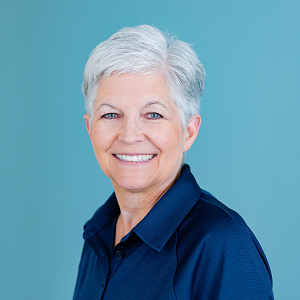
“I started at a really small credit union as a teller in 1982, so I’ve seen a lot of things change in 43 years,” says Vollmer, who recently retired from Langley Federal Credit Union ($5.6B, Newport News, VA).
After joining Langley in 2003, Vollmer moved her way up in the ranks, eventually becoming chief experience officer in 2017.
Here, Vollmer reflects on industry change, intentionality in leadership, member-centric strategies for growth, her plans to support the movement in retirement, and more.
What’s one belief about leading a cooperative that has changed the most over your career?
Deb Vollmer: What’s changed the most is this misconception that credit unions don’t need to make a profit. The reality is we have to balance returning value to members with maintaining financial strength. Healthy net worth gives credit unions the ability to take thoughtful risks, invest in innovation, and remain competitive.
Innovation isn’t an option, it’s essential. That’s where leadership has changed the most. We’ve got to watch everything happening around us and make sure we’re prepared for the next disruptor.
If you could replay a tough call, what would you do the same again because it proved out your mission?
DV: We made the difficult decision to consolidate some locations, some of which were on our original sponsors’ premises. That wasn’t popular with a small group of members who voiced strong opposition. That consolidation allowed us to expand our branch presence throughout a much greater geographic area, expanding our products and services to tens of thousands of additional members. I wouldn’t change that decision at all. Those were tough decisions, but they were the right decisions to make.
Looking back, what member‑first decision or program best embodies your interpretation of “people helping people?”
DV: We started the Langley For Families Foundation in December 2014, which has significantly expanded our impact in Hampton Roads [a region in Virginia]. A few years ago we took that a step further. We were always closed on Martin Luther King Day, but now instead of closing for a paid holiday, we allow our people to volunteer at day-of-service events. That turns the philanthropy into something personal. Our employees aren’t just contributing money through payroll to the foundation, they’re out there doing hands-on work with the same nonprofits we support.
What community partnership or outreach model created outsized impact relative to resources? How can smaller credit unions adapt it?
DV: To me, community partnerships can include peer-to-peer credit union collaboration. We’re good at sharing ideas that innovate the entire credit union movement and building strong networks with other credit unions of all sizes. Oftentimes, we have a shared technology or shared service that connects us and allows us to exchange ideas and lessons learned and collaborate on solutions.
Don’t stop here. Deb Vollmer was the first industry leader to participate in CreditUnions.com’s On Leadership series. Read it here.
Has collaboration between large and small credit unions changed during your time in the industry?
DV: It has. There’s less of a sense of collaboration now between large and small credit unions. Today, when a large credit union reaches out to a small credit union to offer assistance, they often immediately think, “They want to merge with me.” Sometimes it’s not that simple; it’s genuine care and concern to share information.
What about community banks? How has that relationship changed during your career?
DV: The biggest difference I see is the way we’re working together in the nonprofit space. When we go to community events, it’s the small banks and credit unions that are sponsoring those events that are helping these nonprofits. It’s a different form of people helping people, but it’s on the charity side. That’s where we can find common ground. We’re all trying to improve the lives of people in our communities. If we can work together to achieve that, then we can accomplish big things.
How has your perspective on leadership changed throughout your career?
Deb Vollmer: The biggest changes occurred as I transitioned through different tiers of leadership. If you’re a manager leading a team or a branch manager, you’re leading a younger generation. Maybe this is their first real job out of school. A lot of that is about developing people and preparing them for their career.
As you move up in the organization, it becomes a different focus. You have to look at the big picture; find the people who are going to carry on when you leave. That became particularly essential [at Langley FCU] in the past two years. We had three out of a seven-person executive team retiring and needed to find internal talent and make sure everybody was ready for that transition.
How has women’s role in the industry changed?
DV: In the early years it was mainly women working in credit unions. At my first credit union, there were no men working there at all. We had a very small staff — just 23 or so at the height before I left — but they were all women.
We’re doing a good job lifting up women into lower leadership — branch managers, team leaders, even VPs — but when you get to the executive level, I don’t know if it’s as diverse as it could be. That means we need to be intentional with developing talent. It doesn’t mean we have to say, “I have these two candidates and I’m going to hire her because she’s female,” it just means we seek out the most diverse pool of candidates we can and then hire the right person. And when you get people in, you have to work on developing them — whether male or female — with intentionality.
Which leadership skill do you wish you’d developed a decade earlier? How would you teach it to an emerging leader today?
DV: Over the past couple of years, I’ve had a group of female vice presidents that all go to lunch quarterly and chat about things that are specific to women in leadership and how you get your voice heard. I wish I’d been doing that my whole career! Women are conditioned early in life to compete with one another, and that mindset can carry into the professional environment. The better approach is to celebrate one another’s successes and mentor engaging leaders to create great opportunities for the next generation. When we shift from competition to collaboration, everyone benefits. That’s a skill I wish I had, and I wish I had been more intentional about it 20 years ago.
What specific cultural practices — rituals, hiring standards, coaching habits — did you find most consistently translated into better member outcomes?
DV: Many organizations don’t want to be sales-focused, so who we hire has to change. We shifted in 2012 to being focused on sales, but in a way that improved members’ lives. Now we’re not necessarily hiring people who can count money or do math without a calculator. We’re looking at people who can have a conversation.
An effective sales conversation is the highest level of service we can provide. If we ask thoughtful questions and truly understand the member’s situation, we can recommend products and services that genuinely improve peoples’ lives — and that’s the goal.
CU QUICK FACTS
Langley FCU
HQ: Newport News, VA
ASSETS: $5.6B
MEMBERS: 400,170
BRANCHES: 20
EMPLOYEES: 718
NET WORTH: 9.0%
ROA: 0.71%
How do you define “healthy growth” for a cooperative? What trade-offs are you proud you made to keep growth mission‑aligned?
DV: Healthy growth means maintaining strong financial health while delivering maximum value to members. Some credit unions focus heavily on building capital, which is important, but extremely high net worth ratios can signal we’re not returning as much value to members as we could.
In 2012, we had a high capital level. We leveraged that capital to raise our loan-to-share ratio in a quick amount of time.
Some institutions maintain a net worth ratio above 10%, but then you look at their rate on deposits and they’re way below their competitors. In some cases, those leadership teams should ask themselves if they’re truly serving members if [those members] have to go elsewhere to find competitive savings rates. The goal should be balanced: financial strength combined with meaningful value for members.
What’s one myth about scale or competition you’d like the next generation to retire for good?
DV: I’d like to retire the myth that large credit unions are simply looking to merge with smaller ones rather than support them. If the industry focused more on gaining market share from big banks, there’s a tremendous growth opportunity for all credit unions.
There’s also an enormous opportunity for greater cooperation across the movement. Information security is a great example. Larger credit unions have sophisticated infrastructure in place; by sharing that expertise and collaborating across the industry, I think we can strengthen protections for everyone.
Do you plan to keep contributing — mentoring, teaching, policy advocacy, pro‑bono projects, etc.? What’s the single issue you want to champion from the sidelines?
DV: I plan to enjoy retirement with my husband. We have an Air Stream, so we’re going to travel and visit the people who matter most.
I’m also going to cheer the movement from the sidelines and stay connected through LinkedIn. I’m mentoring a few emerging leaders, particularly women in the industry, more on a pro-bono basis. I was fortunate to have leaders who invested in my development throughout my career, and I want to pay that forward even in retirement.
If you could gift one “starter kit” to a first‑time credit union leader (readings, dashboards, meeting cadences), what would it include and why?
DV: It depends on the level of leadership. When someone is leading individual contributors, focus heavily on their development. That means weekly team huddles to ensure they’re aligned and everyone knows the priorities. At a minimum, every employee deserves a monthly one-on-one conversation about their progress, career aspirations, and development opportunities. They deserve that candid conversation. You have to be able to give critical feedback directly and not hold back because it’s not helping anyone if you don’t do that.
As you move up, it’s important to develop that next level of leader from a strategy standpoint. If you want to succeed, hire the best people you can and don’t be intimidated that they’re going to outshine you. They’re going to lift you up, as well. Never hesitate to hire someone you feel threatened by.
What question should credit unions be asking future leaders? How would you answer it today?
DV: I would focus on the two things most important to me in a leader: employee and member experience. Future leaders should ask themselves, “Do I truly understand the challenges my employees and members are facing every day?” One thing I don’t think we focus on enough is empathy. It’s essential in a leader. If they don’t understand those experiences, how can they design products and services and benefits that meet peoples’ needs?
This interview has been edited and condensed.