Earnings By The Numbers (4Q 2015)
Year-end performance data reveals why credit unions need non-interest income.
How Members 1st Federal Credit Union sells mortgages and makes itself more efficient.
A debit payback program at Warren FCU builds member interest and non-interest income.
This week, CreditUnions.com features articles showing how credit unions are driving non-interest income, from PIN fees to secondary market sales.
Amy Sink, CFO of Teachers CU in South Bend, IN, spoke with Credit Union Strategy & Performance editor Brooke Stoddard in early March on the challenges and opportunties her credit union faces in 2009.
Many credit unions develop specialized mortgage products for specific homeowner groups.
With bankruptcy filing at an all-time high and national unemployment rates steadily escalating, credit unions nationwide are experiencing both an increase in losses and an increase in member demand for loan extensions to help ease their monthly payment burden. While many credit unions have loan extension programs in place, they are
The Net Promoter® Score is a metric that measures how likely your members will recommend the credit union. Where does your credit union fall on the scale? Are your members promoters or detractors?
NCUA chair Debbie Matz leaves the board as the movement prepares to live with burdensome new capitalization standards that data show nearly no credit unions currently run afoul of.
Credit unions are implementing purchase card, or p-card, programs to streamline payables, manage cash, and earn on their spending.

Arriba Advisors co-founder Tom Russell explores how credit unions can bridge the gap between a growth mindset and their technical reality.

RKL offers insight, expertise, and experience to help fight off growing threats.

Members are anxious about their financial futures, even as credit unions remain financially strong. Institutions that respond to this moment can make 2026 a turning point.

Global events are flowing directly into household budgets, reshaping how credit union members save, borrow, and cope. Such trends don’t always show up in headline data.

Credit unions are benefiting from a rare margin advantage as loans reprice slower than deposits. The question now is how institutions will use that strength to better serve members.

Membership growth is slowing, but financial activity is not. What does the modern financial relationship look like?

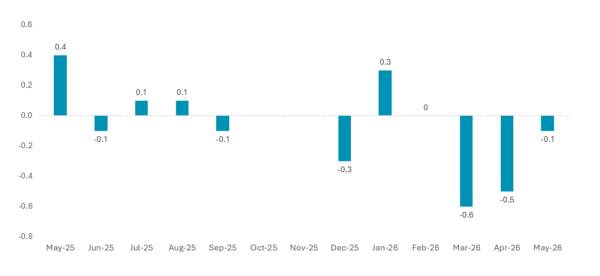
Inflation, war, and uncertain futures have reshaped members’ needs in 2026. What does credit union performance data from the first quarter of 2026 say about household budgets, inflation pressures, and more?

Look beyond the headlines to better understand what is driving current market trends and how they could impact credit union investment portfolios.

Today’s job market is shaped by skills based expectations, with employers slowing entry level hiring and placing greater emphasis on applied experience.

St. Cloud Financial is betting on digital assets to protect member relationships and future relevance. It’s picked up lessons for other leaders along the way.
Year-End Data Shows RBC Tackles Phantom Foe