What’s In A Name: Chief Efficiency Officer
Kelli Wisner-Frank serves as the linchpin between finance and innovation at Community Choice Credit Union, aligning automation, smarter processes, and cost discipline to turn front-line

Your hub to learn how credit unions manage assets and liabilities, boost non-interest income, improve efficiencies and productivity, and maximize returns.
Kelli Wisner-Frank serves as the linchpin between finance and innovation at Community Choice Credit Union, aligning automation, smarter processes, and cost discipline to turn front-line

Craft breweries demonstrate how commitment to value, operational agility, and community focus can ignite growth and drive property.
Inflation, debt, and income inequality are fueling a K-shaped, post-pandemic recovery, widening the gap between different economic segments and challenging lower-income households.
A digital loan origination system can revolutionize a credit union’s lending process by boosting efficiency, minimizing risk, and enhancing the borrower experience.
From sky-high housing prices to increased credit card spending and beyond, these are the prime factors influencing today’s lending landscape.
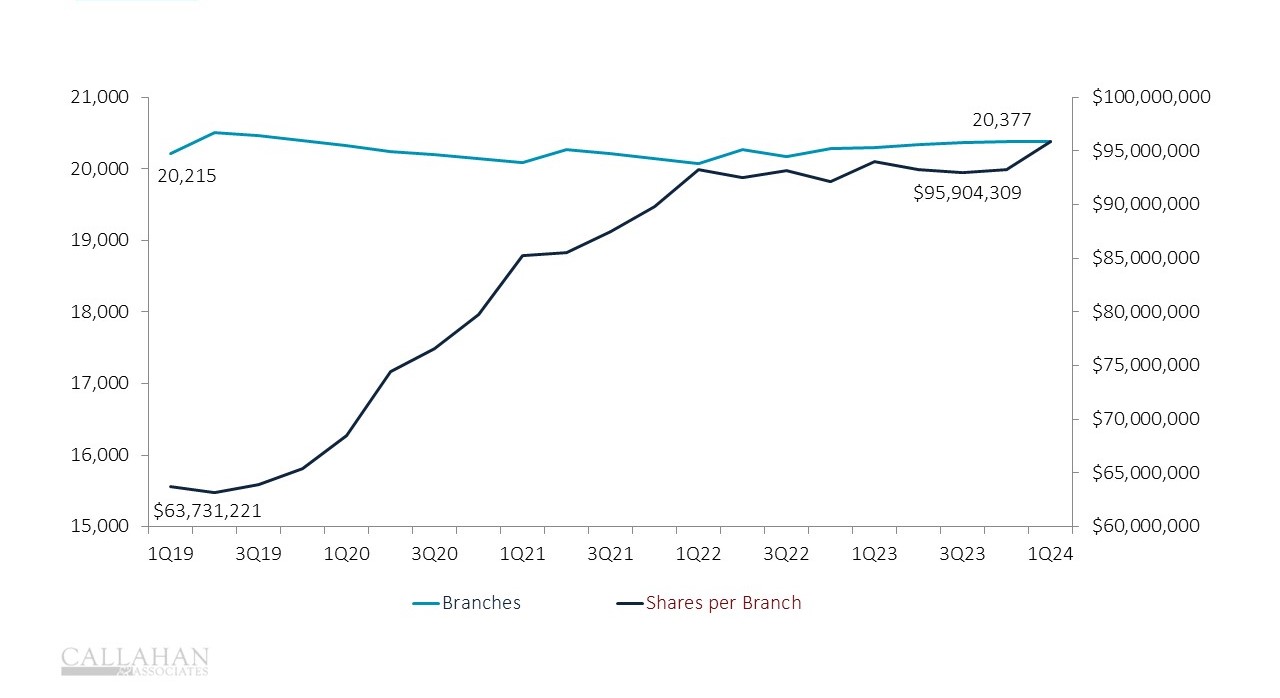
With deposits per branch up 50% in the past five years, many credit unions are redeploying staff to provide more holistic offerings such as financial counseling.
The Virginia cooperative bucks the CD trend with a high-rate savings product aimed at members who need help building budgetary resiliency.
With “junk fees” in the crosshairs in Washington, Callahan takes a deep dive into how that revenue impacts the balance sheet and what the future could hold.
In this Q&A, CRIF Select President Jeremy Engbrecht explains how credit unions are navigating the competitive indirect auto loan industry.
If Net Interest Margin is the heart of a financial institution’s Net Income, then Funds Transfer Pricing is the heart of managing and improving Net Interest Margin.
Greenwood and Metro Credit Unions are both reporting deposit growth far above the industry average, thanks in part to a focus on commercial accounts.
Although the industry is chock-full of foundations, some institutions rely on donor-advised funds as a pathway to giving back.
The regulator’s Community Development Revolving Loan Fund distributed $3.8 million in grant funding last year, benefitting more than 140 credit unions.

Coastal Credit Union evaluates fintech through the lens of member value, strategic growth, and organizational readiness to implement new ideas.

Credit unions are making decisions about where to build, invest, and partner as they balance today’s priorities with tomorrow’s opportunities.

Industry leaders share how they approach fintech investment, balancing immediate needs with longer-term bets while keeping member value and mission at the center.

Credit unions that enable seamless movement between fiat and digital assets position themselves as a trusted on- and off-ramp.

The credit unions that win the next generation will be the ones that showed up early, when young members were forming habits and deciding whom to trust.

The challenge is no longer whether to adopt AI, but how to adopt it responsibly with the right governance, the right partners, and the right balance between technology and human oversight.
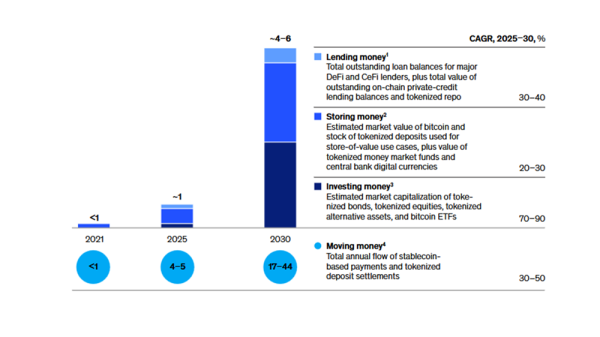
McKinsey projects trillions of dollars in growth across digital assets, with money movement emerging as one of the biggest opportunities.

The Indiana cooperative blends internal development with selective partnerships to meet members’ needs today now while positioning for what’s next.

The San Diego cooperative leans on its CUSO and the CURQL network to make fintech investments, but member needs still guide which solutions ultimately make it into the credit union’s operations.

Hands-on work with artificial intelligence tools is future-proofing staff members, giving them the confidence to adopt new technology and embrace efficiencies.