Credit Union Strategy & Performance Interview: Cutting Costs, Holding onto Members
Financial Partners is making sacrifices, lowering rates, and raising some fees, but its service holds onto members.

Financial Partners is making sacrifices, lowering rates, and raising some fees, but its service holds onto members.
While these programs have received a lot of attention in the media, BECU offered new insight into its marketing strategy and its next steps.
By matching goals to components of the retirement cycle, Mission hopes to meet the needs of members as they reach their Golden Years.
Forget product, place, price and promotion. This three-part series features credit union success stories that demonstrate the power of the new three P’s.
While many credit unions are finding success in share certificate growth, others are pursuing innovative strategies to achieve results in regular share, money market and share draft accounts.
Learn about Jim Blaine’s focus on members’ financial needs.
 Diana Dykstra, CEO of San Francisco Fire Credit Union ($423m, San Francisco, CA) describes their 2007 strategy for demonstrating the credit union difference – allowing members to set their own rates and create their own accounts.
Backed by record-setting financials but with low member growth, Pete Sainato, CEO of Justice FCU, is instigating a program of significantly boosting return and value to members.
How Oxford FCU is having success with its’ two-pronged strategy that is attracting younger members and driving up debit card usage.
The fastest growing segment of our country’s population represents an oportunidad importante for credit unions.

 Diana Dykstra, CEO of San Francisco Fire Credit Union ($423m, San Francisco, CA) describes their 2007 strategy for demonstrating the credit ...
Coastal Credit Union evaluates fintech through the lens of member value, strategic growth, and organizational readiness to implement new ideas.

Long-term growth depends on pairing trusted community relationships with intentional investment in technology, leadership, and purpose.

Credit unions are making decisions about where to build, invest, and partner as they balance today’s priorities with tomorrow’s opportunities.

Industry leaders share how they approach fintech investment, balancing immediate needs with longer-term bets while keeping member value and mission at the center.

Credit unions that enable seamless movement between fiat and digital assets position themselves as a trusted on- and off-ramp.

The credit unions that win the next generation will be the ones that showed up early, when young members were forming habits and deciding whom to trust.

The challenge is no longer whether to adopt AI, but how to adopt it responsibly with the right governance, the right partners, and the right balance between technology and human oversight.
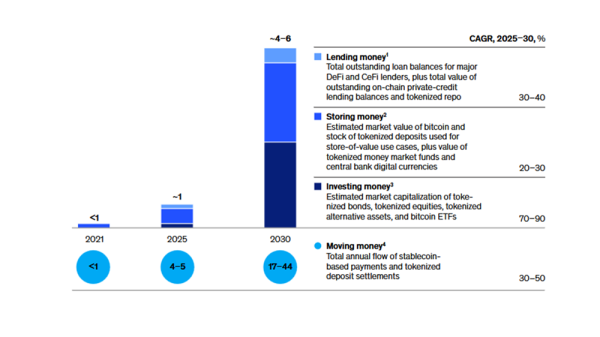
McKinsey projects trillions of dollars in growth across digital assets, with money movement emerging as one of the biggest opportunities.

The Indiana cooperative blends internal development with selective partnerships to meet members’ needs today now while positioning for what’s next.

The San Diego cooperative leans on its CUSO and the CURQL network to make fintech investments, but member needs still guide which solutions ultimately make it into the credit union’s operations.